Introduction
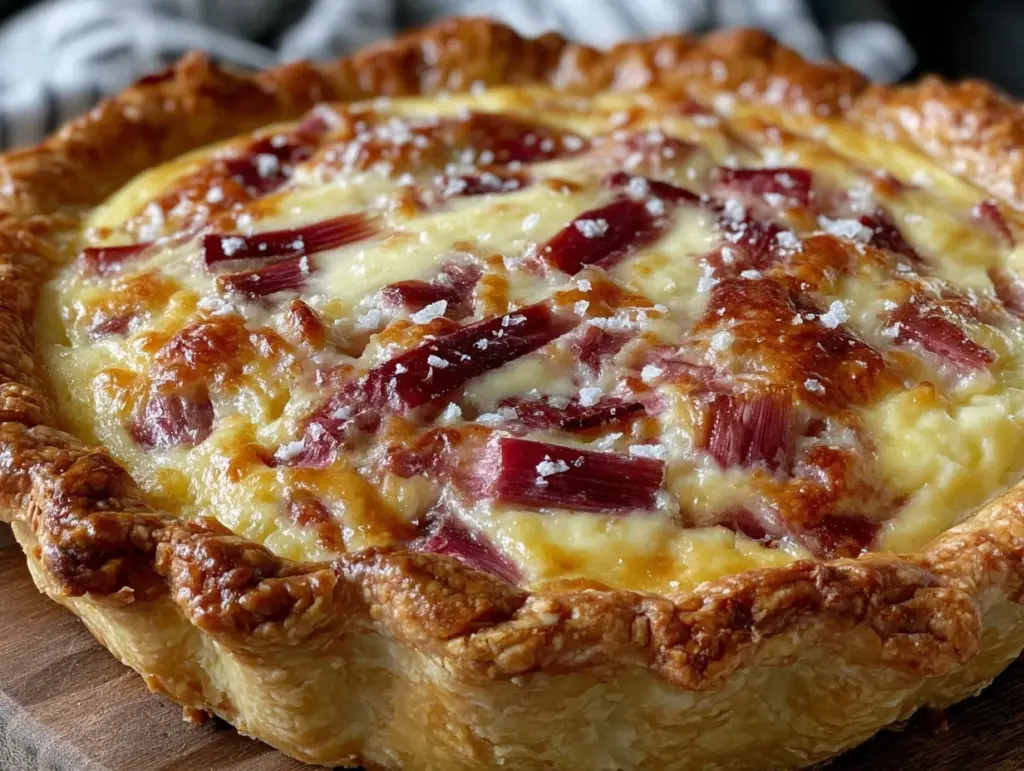
That moment when you bite into a slice of pie and it’s like your taste buds are having a little celebration—yeah, that’s exactly what this Classic Rhubarb Custard Pie with Flaky Butter Crust does. Honestly, I stumbled on this recipe almost by accident one busy spring afternoon. I had a bunch of rhubarb sitting in the fridge, leftover from a gardening gift, and not enough time or energy to fuss over a complicated dessert. I figured, why not try pairing it with a custard filling? Turns out, the tartness of the rhubarb cuts through the creamy sweetness of the custard like a charm, and the flaky butter crust ties it all together in a way that feels both nostalgic and fresh.
What surprised me most was how easy it was to get that golden, flaky crust without much hassle—which, if you’re like me and not really a baker, feels like a small miracle. The first time I brought this pie to a casual get-together, a friend said, “You need to make this more often,” and honestly, that was enough to keep me baking it over and over. There’s something quietly satisfying about a pie that’s simple but makes people pause and savor each bite.
So, if you like the idea of a dessert that’s a little tangy, a little sweet, and wrapped up in a buttery crust that practically melts in your mouth, this pie might just become your new go-to. It’s the kind of recipe that feels like a little secret passed down, but one you’re happy to share.
Why You’ll Love This Recipe
Having baked and tweaked this Classic Rhubarb Custard Pie many times, I can say it’s a winner for so many reasons. Here’s what makes this recipe stand out from the rest:
- Quick & Easy: The whole pie comes together in about an hour-and-a-half, including baking, which makes it perfect for a last-minute treat or a spontaneous dessert craving.
- Simple Ingredients: You don’t need to hunt down fancy or obscure items — basic pantry staples and fresh rhubarb are all you need.
- Perfect for Spring and Summer: Rhubarb is in season during warmer months, making this pie a timely way to celebrate fresh flavors.
- Crowd-Pleaser: Whether it’s a family dinner or a neighborhood potluck, this pie always wins compliments from both kids and adults.
- Unbelievably Delicious: The balance between tart rhubarb and smooth custard is just right, with a flaky, buttery crust that’s not too thick or heavy.
What really sets this recipe apart is the crust. I use a technique that folds cold butter into the flour just enough to create those signature layers without making the dough tough. Plus, the custard is gently sweetened and lightly spiced with a hint of vanilla, so it never overwhelms the rhubarb’s brightness. After a few tries, I found that letting the pie cool completely before slicing helps the custard set perfectly, which means cleaner slices and a prettier plate.
If you’re looking for a dessert that feels like a warm hug but with a little zing, this rhubarb custard pie is definitely worth trying. It’s a recipe I keep coming back to—not just because it tastes amazing, but because it’s that kind of homemade comfort food that sticks with you.
What Ingredients You Will Need
This Classic Rhubarb Custard Pie relies on straightforward, wholesome ingredients that come together to create a rich, creamy filling with a flaky crust. Most are pantry staples, with the rhubarb providing the seasonal star.
- For the crust:
- 2 ½ cups (320g) all-purpose flour (I recommend King Arthur for a reliable texture)
- 1 tsp salt
- 1 cup (226g) unsalted butter, cold and cut into small cubes (using high-quality butter like Kerrygold makes a difference)
- 6–8 tbsp ice-cold water
- For the filling:
- 4 cups (about 500g) fresh rhubarb, chopped into ½-inch pieces (if fresh isn’t available, frozen works, but drain excess liquid)
- 1 ½ cups (300g) granulated sugar
- 3 large eggs, room temperature
- 1 cup (240ml) whole milk
- ½ cup (120ml) heavy cream
- 2 tbsp all-purpose flour (helps thicken the custard)
- 1 tsp pure vanilla extract (a good-quality vanilla extract or paste adds depth)
- ¼ tsp ground nutmeg (optional, but it adds a subtle warmth)
When choosing your rhubarb, look for stalks that are firm and brightly colored, with no signs of wilting. This ensures the pie has a fresh tartness that balances the custard beautifully. As for substitutions, you can swap the all-purpose flour in the crust for a gluten-free blend if needed, though the texture might be slightly different. For dairy-free options, coconut milk and vegan butter can be used, but I recommend trying the classic version first to appreciate the contrast of flavors.
Equipment Needed
- 9-inch (23 cm) pie dish (glass or ceramic works well for even baking)
- Mixing bowls – one large for dough, one medium for filling
- Pastry cutter or two forks to cut butter into flour (a food processor is handy but not necessary)
- Rolling pin for shaping the crust
- Measuring cups and spoons for accuracy
- Whisk or hand mixer for blending custard ingredients
- Pastry brush (optional, for brushing crust edges with egg wash)
- Cooling rack to let the pie rest without sogginess
If you don’t have a pastry cutter, two forks or even your fingers work fine, just be sure to keep the butter cold to get a flaky crust. I’ve found that using a glass pie dish helps me monitor browning, but ceramic keeps the pie warm longer when serving. For budget-friendly options, plastic rolling pins and basic stainless bowls do the job perfectly.
Preparation Method
- Make the crust: In a large bowl, combine 2 ½ cups flour and 1 tsp salt. Add the cold butter cubes. Using a pastry cutter or two forks, cut the butter into the flour until the mixture resembles coarse crumbs with some pea-sized bits of butter remaining. This texture is key for flakiness.
Tip: Keep your hands cool and work quickly to prevent the butter from melting. - Add ice water: Sprinkle 6 tablespoons of ice-cold water over the mixture. Gently stir with a fork to bring the dough together. If it’s too dry, add more water, one tablespoon at a time, until the dough just holds together when pressed.
Note: Avoid overworking the dough to keep it tender. - Chill the dough: Shape the dough into two discs, wrap in plastic wrap, and refrigerate for at least 30 minutes. This rest period relaxes the gluten and firms up the butter.
- Prepare the filling: While the dough chills, combine 4 cups chopped rhubarb and 1 ½ cups sugar in a bowl. Let it sit for 15 minutes to macerate, then drain off excess liquid to avoid soggy crust.
Tip: Don’t skip draining; it helps keep your crust flaky. - Make the custard: In a separate bowl, whisk together 3 eggs, 1 cup whole milk, ½ cup heavy cream, 2 tablespoons flour, 1 teaspoon vanilla, and ¼ teaspoon nutmeg until smooth and slightly frothy.
- Roll out the crust: On a lightly floured surface, roll out one dough disc to fit your 9-inch pie dish, leaving about a 1-inch overhang. Transfer it to the dish and gently press it in.
Tip: If the dough cracks, pinch it back together; it bakes just fine. - Assemble the pie: Spread the drained rhubarb evenly over the crust. Slowly pour the custard mixture on top, filling the pie dish without overflowing.
- Top crust: Roll out the second dough disc for the top crust. You can cover it fully, cut slits for venting, or create a lattice. Seal the edges by pinching or crimping, and trim the excess dough.
Optional: Brush the top with an egg wash (1 beaten egg with 1 tbsp water) for a golden finish. - Bake: Place the pie on the middle rack of a preheated oven at 375°F (190°C). Bake for 50-60 minutes or until the crust is golden and the custard is set but still slightly jiggly in the center.
Tip: If the crust edges brown too quickly, cover them loosely with foil halfway through baking. - Cool completely: Let the pie cool on a rack for at least 2 hours to allow the custard to firm up for clean slices.
Cooking Tips & Techniques
Making a flawless rhubarb custard pie isn’t hard, but a few tricks from my own trial-and-error can save you from common pitfalls:
- Keep everything cold: From the butter in your crust to the water you add, cold ingredients help create a flaky, tender crust. Warm butter means tough dough.
- Don’t skip draining the rhubarb: Rhubarb releases a lot of water, and if you pour that liquid into your custard, the pie will be watery and the crust soggy.
- Watch the baking time: The custard should be just set, with a slight jiggle in the center. Overbake and it’ll crack or get rubbery.
- Use a pie shield: If you notice the edges of the crust getting too dark too fast, a simple foil shield helps keep them perfect without undercooking the rest.
- Let it cool fully: This is crucial for slicing. I’ve learned the hard way that cutting pie too soon leads to a custard mess on the plate.
Personally, I like to prepare the dough the day before and keep it chilled, which speeds up assembly and lets me focus on enjoying the baking process. Also, if you want to try a twist on custard pies, the technique here is similar to my Creamy Quiche Lorraine, where the custard filling is the star alongside a buttery crust.
Variations & Adaptations
This Classic Rhubarb Custard Pie is a great base for some creative tweaks. Here are a few I’ve tried or recommend:
- Berry Rhubarb Mix: Add half a cup of fresh strawberries or raspberries to the rhubarb for a sweeter, colorful variation, especially lovely in early summer.
- Spiced Custard: Stir in a pinch of ground cinnamon or ginger to the custard for a warm, cozy twist that complements rhubarb’s tartness.
- Gluten-Free Crust: Substitute the all-purpose flour in the crust for a gluten-free blend like Bob’s Red Mill 1-to-1 GF flour. The texture changes slightly but still delicious.
- Vegan Version: Use coconut milk and vegan butter, and replace eggs with a flaxseed or chia egg substitute. The custard won’t be as firm but still tasty.
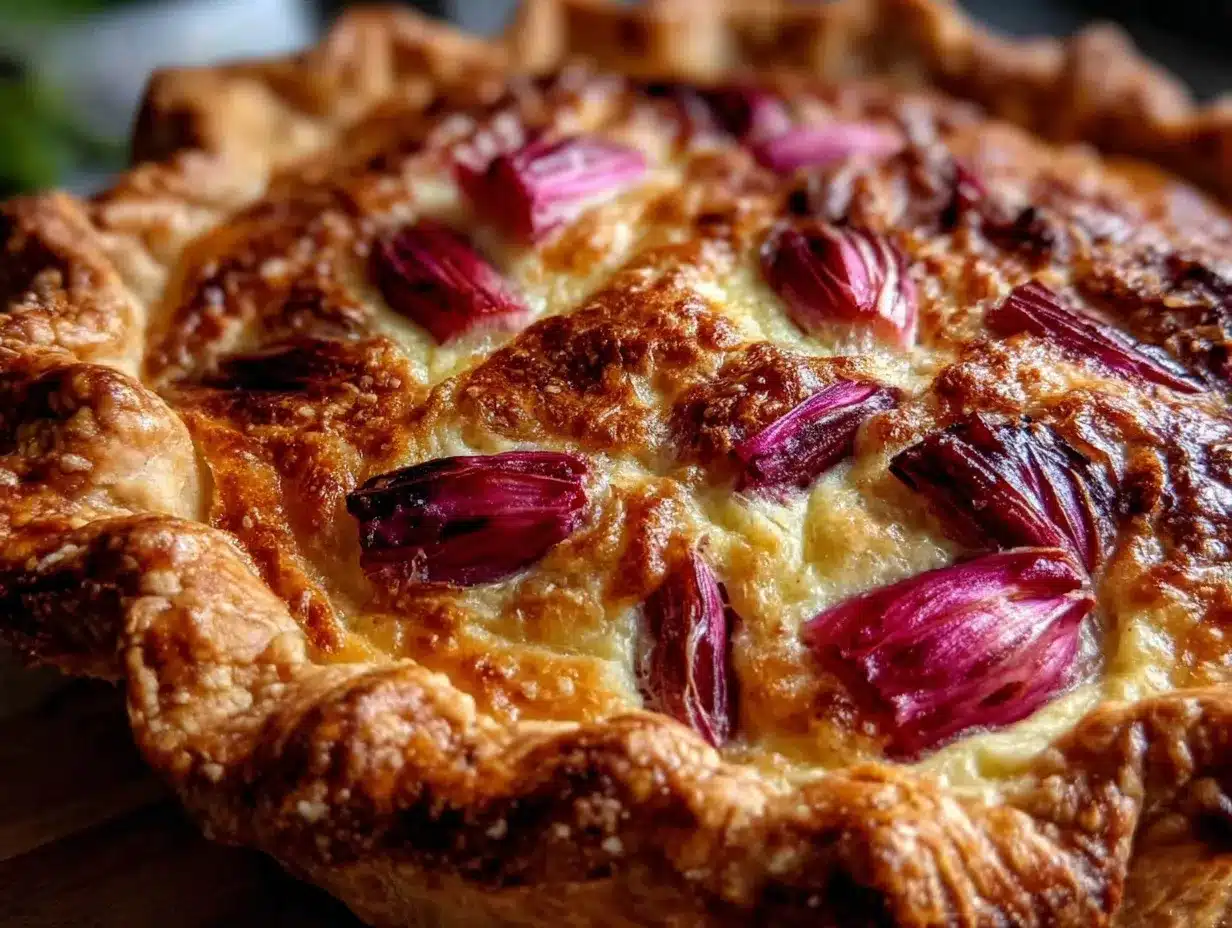
- Lattice Top Crust: For a pretty presentation, weave strips of dough over the filling. It adds extra crunch and lets the custard peek through beautifully.
One personal favorite is adding a thin layer of almond cream on the bottom crust before the rhubarb—it adds a nutty richness that surprises guests. If you enjoy desserts like the Creamy Passion Fruit Mousse Cups, this pie offers a more rustic, homey counterpoint that’s equally satisfying.
Serving & Storage Suggestions
Serve this pie slightly chilled or at room temperature—both ways work beautifully. I like to add a dollop of whipped cream or a scoop of vanilla ice cream to balance the tart rhubarb and smooth custard.
If you’re hosting a brunch or spring gathering, this pie pairs wonderfully with light, fresh drinks like iced tea or a sparkling lemonade. It also makes a lovely finish to a casual dinner, especially alongside a simple salad or something like the Spinach and Feta Croissant Bake.
For storage, cover the pie loosely with plastic wrap or foil and refrigerate. It keeps well for up to 3 days. If you want to freeze it, wrap tightly and place in the freezer for up to a month. When ready, thaw overnight in the fridge and warm gently in the oven to refresh the crust.
Reheating in a 300°F (150°C) oven for about 10 minutes restores that fresh-baked crispness without drying out the custard. Flavors tend to deepen after a day, so leftovers can actually taste better after resting.
Nutritional Information & Benefits
Per slice (1/8 of the pie), approximate nutrition is:
| Calories | 320 |
|---|---|
| Fat | 18g (mostly from butter and cream) |
| Carbohydrates | 35g (includes natural sugars from rhubarb and added sugar) |
| Protein | 5g (from eggs and dairy) |
Rhubarb is a good source of vitamin K and fiber, and its tartness means you can use less sugar than other fruit pies. The custard provides calcium and protein, making this dessert a bit more nourishing than typical sugary pies. If you’re watching carbs, reducing sugar slightly or using a sugar substitute can help.
This pie is naturally gluten-free if you swap the crust flour, and you can adapt it for dairy-free diets as mentioned earlier. Just be mindful that eggs and dairy are key to the custard’s texture.
Conclusion
This Classic Rhubarb Custard Pie with Flaky Butter Crust is one of those recipes that feels both timeless and approachable—a sweet-tart treat you can make with confidence any time rhubarb is in season. I love how the custard’s creaminess contrasts with the tangy rhubarb and flaky crust, creating a comforting yet lively dessert experience.
Feel free to tweak the flavorings or crust style to make it your own, and don’t rush the cooling step—it’s worth the patience. Whether you’re baking for a family dinner, a brunch spread, or just because, this pie brings a little slice of joy to the table.
Try it out and let me know how it goes—your tweaks and stories are always welcome in the comments. Here’s to many more baking adventures with simple, honest recipes like this one!
FAQs
Can I use frozen rhubarb for this pie?
Yes, you can use frozen rhubarb, but be sure to thaw and drain it well to remove excess liquid. This helps prevent a soggy crust.
How do I prevent the custard from cracking?
Don’t overbake. The custard should still have a slight jiggle when you take it out of the oven. It will firm up as it cools.
Can I make the crust ahead of time?
Absolutely! The dough can be made and chilled for up to 2 days before rolling out. You can also freeze it wrapped tightly for longer storage.
What’s the best way to reheat leftover pie?
Warm it gently in a 300°F (150°C) oven for about 10 minutes to refresh the crust and custard without drying it out.
Is there a dairy-free version of this pie?
Yes, substitute coconut milk for dairy milk and use vegan butter for the crust. Replace eggs with a flax or chia egg substitute, but note the custard won’t be as firm.
Pin This Recipe!
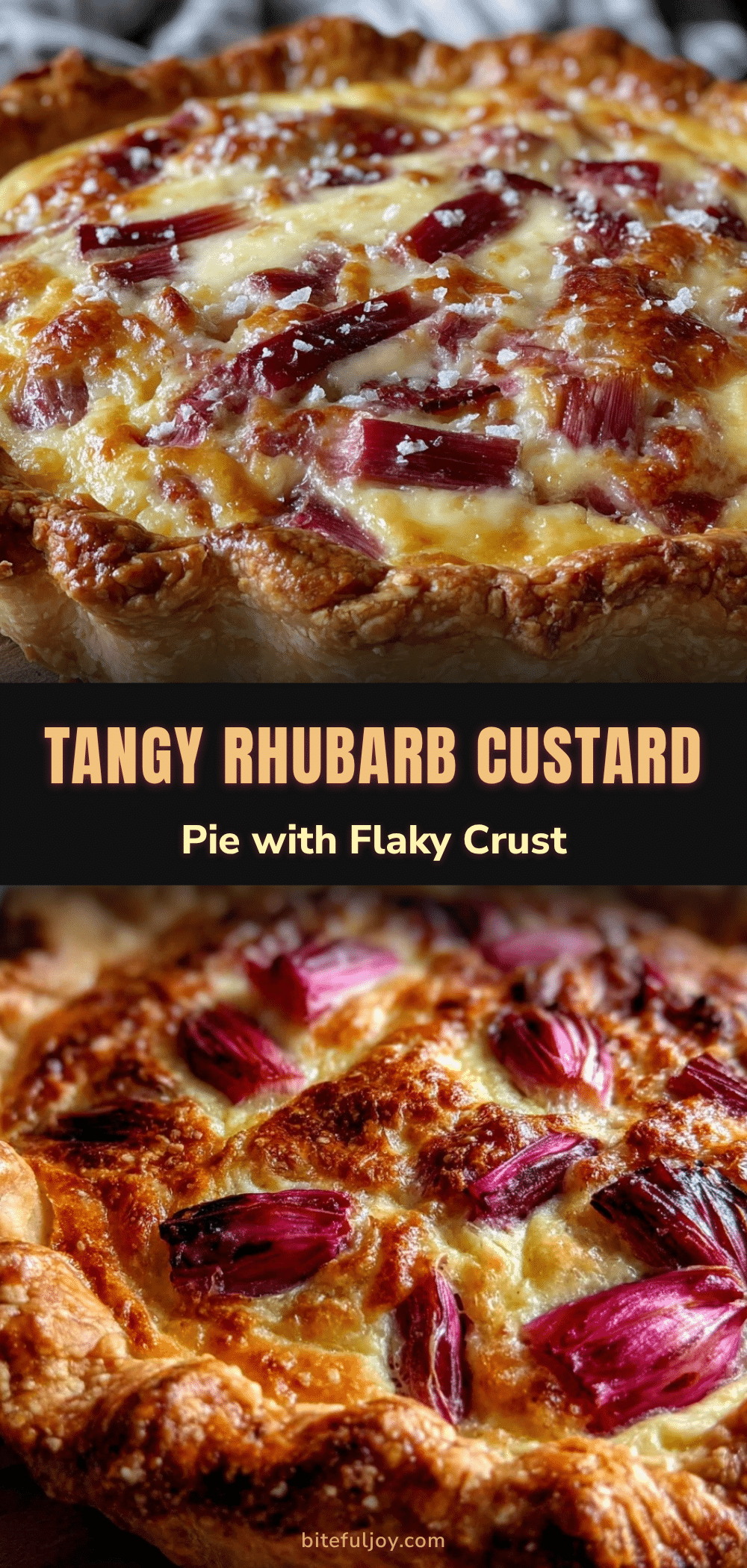
Classic Rhubarb Custard Pie Recipe Easy Homemade Flaky Butter Crust

A simple and delicious rhubarb custard pie featuring a flaky butter crust that balances tart rhubarb with creamy custard, perfect for spring and summer.
- Prep Time: 45 minutes
- Cook Time: 1 hour
- Total Time: 1 hour 45 minutes
- Yield: 8 servings 1x
- Category: Dessert
- Cuisine: American
Ingredients
- 2 ½ cups (320g) all-purpose flour
- 1 tsp salt
- 1 cup (226g) unsalted butter, cold and cut into small cubes
- 6–8 tbsp ice-cold water
- 4 cups (about 500g) fresh rhubarb, chopped into ½-inch pieces
- 1 ½ cups (300g) granulated sugar
- 3 large eggs, room temperature
- 1 cup (240ml) whole milk
- ½ cup (120ml) heavy cream
- 2 tbsp all-purpose flour
- 1 tsp pure vanilla extract
- ¼ tsp ground nutmeg (optional)
Instructions
- In a large bowl, combine 2 ½ cups flour and 1 tsp salt. Add the cold butter cubes. Using a pastry cutter or two forks, cut the butter into the flour until the mixture resembles coarse crumbs with some pea-sized bits of butter remaining.
- Sprinkle 6 tablespoons of ice-cold water over the mixture. Gently stir with a fork to bring the dough together. If it’s too dry, add more water, one tablespoon at a time, until the dough just holds together when pressed.
- Shape the dough into two discs, wrap in plastic wrap, and refrigerate for at least 30 minutes.
- Combine 4 cups chopped rhubarb and 1 ½ cups sugar in a bowl. Let it sit for 15 minutes to macerate, then drain off excess liquid.
- In a separate bowl, whisk together 3 eggs, 1 cup whole milk, ½ cup heavy cream, 2 tablespoons flour, 1 teaspoon vanilla, and ¼ teaspoon nutmeg until smooth and slightly frothy.
- On a lightly floured surface, roll out one dough disc to fit a 9-inch pie dish, leaving about a 1-inch overhang. Transfer it to the dish and gently press it in.
- Spread the drained rhubarb evenly over the crust. Slowly pour the custard mixture on top, filling the pie dish without overflowing.
- Roll out the second dough disc for the top crust. Cover fully, cut slits for venting, or create a lattice. Seal the edges by pinching or crimping, and trim the excess dough. Optionally, brush the top with an egg wash (1 beaten egg with 1 tbsp water) for a golden finish.
- Place the pie on the middle rack of a preheated oven at 375°F (190°C). Bake for 50-60 minutes or until the crust is golden and the custard is set but still slightly jiggly in the center. If the crust edges brown too quickly, cover them loosely with foil halfway through baking.
- Let the pie cool on a rack for at least 2 hours to allow the custard to firm up for clean slices.
Notes
Keep all ingredients cold to ensure a flaky crust. Drain rhubarb well to avoid soggy crust. Use a pie shield or foil to protect crust edges from overbrowning. Let pie cool completely before slicing for clean cuts. Dough can be made ahead and chilled up to 2 days or frozen.
Nutrition
- Serving Size: 1 slice (1/8 of pie)
- Calories: 320
- Fat: 18
- Carbohydrates: 35
- Protein: 5
Keywords: rhubarb pie, custard pie, flaky butter crust, spring dessert, easy pie recipe, homemade pie, rhubarb custard pie