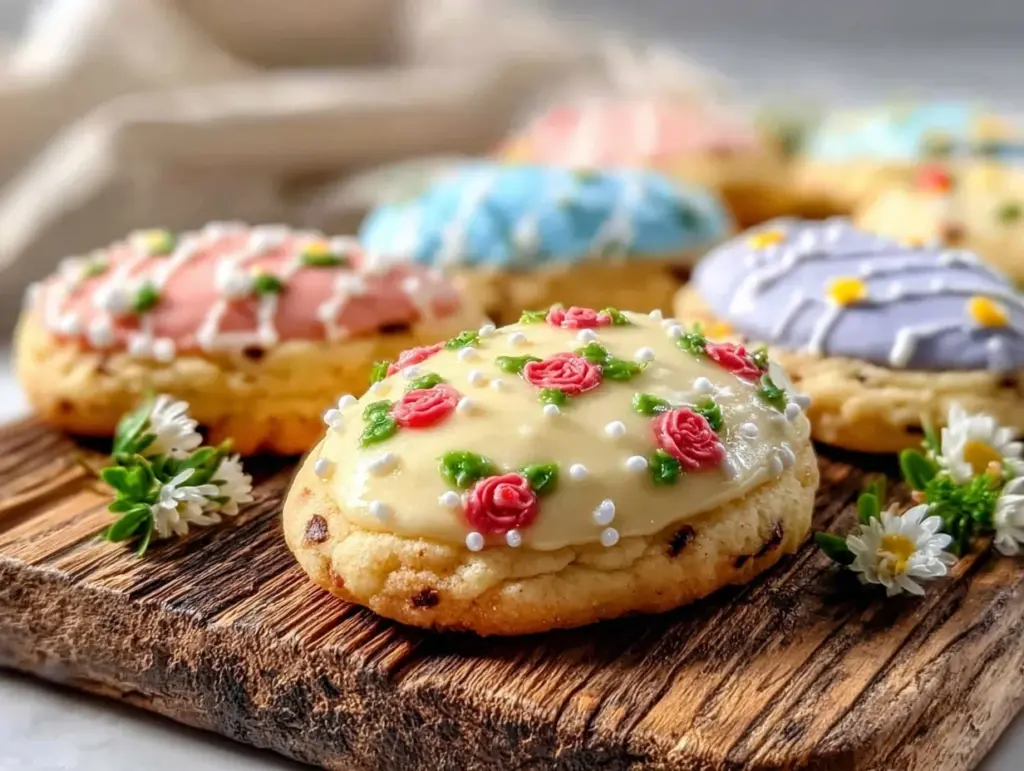
Let me tell you, the scent of freshly baked sugar cookies mingling with the sweet aroma of vanilla as they cool on the rack is enough to make anyone’s mouth water. The first time I baked these perfect Easter egg cookies with delicate hand-painted icing, I was instantly hooked. It was one of those rare moments where you pause, take a deep breath, and just smile because you know you’re onto something truly special. Years ago, when I was knee-high to a grasshopper, my grandma used to make simple sugar cookies, but these take that nostalgic vibe and add a charming, artistic twist that’s perfect for spring celebrations.
Honestly, my family couldn’t stop sneaking them off the cooling rack (and I can’t really blame them). You know what makes these cookies stand out? The icing isn’t just slapped on—it’s carefully hand-painted, turning each cookie into a tiny edible masterpiece. Perfect for brightening up your Pinterest cookie board or dazzling guests at an Easter brunch, these cookies bring a little bit of magic to the table. I tested this recipe multiple times in the name of research, of course, and it’s become a staple for family gatherings and gifting. If you want a cookie recipe that feels like a warm hug, you’re going to want to bookmark this one.
Why You’ll Love This Recipe
There’s honestly a lot to love about these perfect Easter egg cookies with delicate hand-painted icing, and I’m not just saying that because they taste amazing. Having developed and tested this recipe extensively, here’s why it’s become my go-to:
- Quick & Easy: The dough comes together in under 15 minutes, and the baking time is short—ideal for last-minute cookie cravings or festive baking marathons.
- Simple Ingredients: No fancy, hard-to-find stuff here. You likely already have everything in your kitchen, from all-purpose flour to vanilla extract.
- Perfect for Easter & Spring Celebrations: These cookies are charmingly festive yet elegant enough for any occasion where you want to impress without stress.
- Crowd-Pleaser: Kids adore the sweet, buttery flavor, and adults appreciate the delicate artistry of the hand-painted icing.
- Unbelievably Delicious: The cookie texture strikes a balance—crispy edges with a tender center, making each bite melt just right.
What makes this recipe different? Well, it’s all about the icing technique. Instead of flooding the cookies with plain royal icing, I use a gentle brush to hand-paint designs, giving each cookie a personalized, delicate look. It’s not just a cookie; it’s a little canvas of springtime joy. This recipe isn’t just good—it’s the kind that makes you close your eyes after the first bite and smile. It’s comfort food with a splash of whimsy, perfect for impressing friends without slaving away.
What Ingredients You Will Need
This recipe uses simple, wholesome ingredients to deliver bold flavor and a satisfying texture without the fuss. Most of these are pantry staples, and where possible, I’ll suggest substitutions to suit your needs.
- For the Cookie Dough:
- 2 ¾ cups (345g) all-purpose flour – sifted for a tender crumb
- 1 teaspoon baking powder – gives a slight lift
- ½ teaspoon salt – balances sweetness
- 1 cup (227g) unsalted butter, softened – I like using Plugrá for extra creaminess
- 1 cup (200g) granulated sugar – classic sweetness
- 1 large egg, room temperature – helps bind everything
- 2 teaspoons pure vanilla extract – feel free to use your favorite brand
- 1 tablespoon heavy cream or whole milk – adds moisture and tenderness
- For the Hand-Painted Royal Icing:
- 3 cups (360g) powdered sugar, sifted – for smooth icing
- 2 large egg whites or 4 tablespoons meringue powder + 4 tablespoons water – for stability
- 1 teaspoon lemon juice or vanilla extract – flavor enhancer
- Gel food coloring – choose spring pastels like soft pink, mint green, lavender, and pale yellow
- Edible paintbrushes – make sure they’re food-safe and fine-tipped for detail work
Substitution tips: Use almond flour for a gluten-free cookie version (note: texture will be a bit different). Swap heavy cream for coconut milk if you want a dairy-free treat. For egg-free icing, aquafaba (chickpea water) works well but requires a bit more whipping time. In summer, adding a teaspoon of lemon zest to the dough gives a fresh twist!
Equipment Needed
- Stand mixer or hand mixer – makes creaming butter and sugar a breeze
- Rolling pin – a smooth, even roll is key for uniform cookies
- Easter egg-shaped cookie cutters – any size works, but I prefer medium-sized (about 3 inches / 7.5 cm)
- Baking sheets lined with parchment paper or silicone mats – for even baking and easy cleanup
- Cooling rack – don’t skip this; it keeps cookies from getting soggy
- Food-safe paintbrushes – fine and medium sizes for delicate icing work
- Mixing bowls – small ones for different icing colors
- Measuring cups and spoons – accuracy matters here
If you don’t have a stand mixer, a sturdy hand mixer will do just fine—I’ve made countless batches using one. For cookie cutters, if you’re in a pinch, a small glass or a knife can shape eggs freehand, but the cutters make life easier. I recommend washing paintbrushes gently by hand after use to keep them in good condition for future baking adventures.
Preparation Method

- Prepare the Dough: In a medium bowl, whisk together the sifted flour, baking powder, and salt. Set aside. (5 minutes)
- Cream Butter and Sugar: Using your stand mixer fitted with the paddle attachment (or hand mixer), beat the softened butter and granulated sugar on medium speed until pale and fluffy—about 3 to 4 minutes. This step is crucial for tender cookies. (5 minutes)
- Add Egg and Vanilla: Beat in the egg and vanilla extract until fully incorporated. Scrape down the sides to ensure even mixing. (2 minutes)
- Combine Dry and Wet: Slowly add the dry ingredients in three parts, alternating with the heavy cream, mixing on low speed just until combined. Avoid overmixing—stop as soon as the dough comes together. (3 minutes)
- Chill the Dough: Divide the dough into two discs, wrap in plastic wrap, and chill in the refrigerator for at least 1 hour or up to overnight. This helps with rolling and prevents spreading. (1 hour minimum)
- Roll and Cut: Preheat your oven to 350°F (175°C). On a lightly floured surface, roll one dough disc to about ¼-inch (6mm) thickness. Use your Easter egg cookie cutters to cut out shapes and place them about 1 inch (2.5 cm) apart on parchment-lined baking sheets. Reroll scraps once. (15 minutes)
- Bake: Bake cookies for 8-10 minutes, or until edges just begin to turn golden. They should still be pale on top for a tender bite. (8-10 minutes)
- Cool: Let cookies cool on the tray for 5 minutes, then transfer to a wire rack to cool completely before decorating. (20 minutes)
- Prepare Royal Icing: In a clean bowl, beat egg whites or combine meringue powder and water until foamy. Gradually add powdered sugar and lemon juice, beating on high until stiff peaks form, approximately 7-10 minutes. Divide icing into small bowls and tint with gel colors. Thin with a few drops of water to brushable consistency. (15-20 minutes)
- Hand-Paint the Icing: Using food-safe paintbrushes, paint delicate designs onto the cookie surface—think pastel stripes, polka dots, floral accents, or even tiny speckles. Allow the first coat to dry for 15 minutes before layering details. (30-45 minutes)
- Dry Completely: Let decorated cookies dry uncovered at room temperature for at least 2 hours or overnight to set the icing fully. (2+ hours)
Pro tip: If the dough feels too sticky after chilling, lightly flour your rolling surface and rolling pin. For perfect edges, dip your cutter in flour before each cut. Avoid overbaking to keep cookies tender.
Cooking Tips & Techniques
Hand-painting royal icing is as much an art as a skill, and it took me a few tries to get it just right. Here’s what I’ve learned:
- Consistency is Key: Icing should be thin enough to brush easily but not so runny it drips off. Test a drop on parchment; it should hold shape but spread smoothly.
- Use Quality Brushes: Cheap brushes shed bristles and make painting frustrating. Invest in synthetic, food-safe brushes with fine tips for detailed strokes.
- Layering: Let each layer dry thoroughly before adding the next to avoid colors bleeding together—patience pays off!
- Mix Colors Gradually: Start with small amounts of gel coloring—you can always add more, but it’s tough to fix overly dark hues.
- Multitasking: While cookies bake, prepare your icing. This saves time and keeps your workstation organized—trust me, the less scrambling, the better.
- Common Mistake: Don’t rush the cooling step before icing; warm cookies cause icing to melt or slide off.
Sometimes I’ve had icing dry out mid-painting; just add a few drops of water and stir gently to revive it. Also, keep a damp cloth over your icing bowls to prevent crusting between brush strokes.
Variations & Adaptations
Want to mix things up? Here are a few ways to customize these perfect Easter egg cookies:
- Flavor Twists: Add a teaspoon of almond or lemon extract to the dough for a subtle flavor change. For a chocolate version, replace ¼ cup of flour with cocoa powder.
- Diet-Friendly Options: Use a gluten-free flour blend to make the cookies gluten-free. Swap butter for coconut oil for a dairy-free take, though texture will vary slightly.
- Alternative Decorating: Instead of royal icing, try melted white chocolate tinted with food coloring for a creamy finish. Or, sprinkle edible glitter for a festive sparkle.
- Seasonal Adaptations: In summer, hand-paint fresh floral motifs or fruit designs for a fresh look. For a winter holiday twist, switch to snowflake or ornament shapes and use cool blues and silvers in the icing.
- Personal Favorite: I once painted tiny bunny ears and faces on some cookies for a kids’ party, which was a huge hit—simple but adorable!
Serving & Storage Suggestions
These cookies shine best served at room temperature, allowing the buttery texture and delicate icing to be fully appreciated. They make a fantastic centerpiece for Easter brunch, paired with hot tea or a light, fruity punch.
Store cookies in an airtight container at room temperature for up to 5 days. If you want to keep them longer, freeze undecorated cookies wrapped tightly for up to 3 months. Decorated cookies freeze best after the icing has fully dried—wrap them individually to avoid smudging.
Reheat frozen cookies by bringing them to room temp naturally—microwaving can soften the icing and make it sticky. Over time, the flavors mellow and deepen, so these cookies actually taste better the next day if you can resist them!
Nutritional Information & Benefits
Each perfect Easter egg cookie (excluding icing) roughly contains 120 calories, 6g fat, 17g carbs, and 1g protein—making them a delightful treat in moderation. The use of real butter and fresh eggs provides wholesome fats and quality protein, while the simple ingredients mean no preservatives or artificial additives.
For dietary considerations, the recipe can be adapted gluten-free or dairy-free as mentioned. If allergies are a concern, swap egg whites in the icing with aquafaba and ensure all ingredients are free from cross-contamination.
From a wellness perspective, baking these cookies at home means you control the ingredients, allowing for less sugar or alternative sweeteners if you prefer. Plus, the joy of hand-painting adds a mindful, creative element that’s good for the soul!
Conclusion
If you’re looking for a cookie recipe that combines nostalgic comfort with charming artistry, these perfect Easter egg cookies with delicate hand-painted icing are your answer. They’re approachable for bakers of all levels, yet impressive enough to wow your friends and family. What I love most is how customizable they are—you can make them as simple or as fanciful as you like.
Give this recipe a try, mess around with the colors and designs, and make it your own. Don’t forget to share your creations—I’d love to hear how your Easter egg cookies turned out! Happy baking, and here’s to sweet moments made even sweeter.
FAQs About Perfect Easter Egg Cookies
How long do the cookies stay fresh?
Stored in an airtight container at room temperature, they stay fresh for about 5 days. For longer storage, freeze them undecorated or after icing has dried.
Can I use store-bought royal icing instead of making my own?
Yes, but homemade royal icing offers better control over consistency and flavor, especially for hand-painting delicate designs.
What’s the best way to prevent cookie spreading?
Chilling the dough before rolling and keeping the oven temperature accurate helps cookies keep their shape.
Can I prepare the dough in advance?
Absolutely! Dough can be refrigerated for up to 3 days or frozen for up to 3 months before rolling and baking.
What if I don’t have food-safe paintbrushes?
You can use clean, fine-tipped artists’ brushes that haven’t been used with non-food paint. Just make sure they’re thoroughly washed before use.
Pin This Recipe!

Perfect Easter Egg Cookies Recipe Easy Hand-Painted Icing Tutorial

Delight in these perfect Easter egg sugar cookies featuring a tender crumb and crispy edges, topped with delicate hand-painted royal icing for a charming spring celebration treat.
- Prep Time: 15 minutes
- Cook Time: 8-10 minutes
- Total Time: 3 hours 15 minutes
- Yield: 24 cookies 1x
- Category: Dessert
- Cuisine: American
Ingredients
- 2 ¾ cups (345g) all-purpose flour – sifted for a tender crumb
- 1 teaspoon baking powder – gives a slight lift
- ½ teaspoon salt – balances sweetness
- 1 cup (227g) unsalted butter, softened
- 1 cup (200g) granulated sugar
- 1 large egg, room temperature
- 2 teaspoons pure vanilla extract
- 1 tablespoon heavy cream or whole milk
- 3 cups (360g) powdered sugar, sifted
- 2 large egg whites or 4 tablespoons meringue powder + 4 tablespoons water
- 1 teaspoon lemon juice or vanilla extract
- Gel food coloring (spring pastels like soft pink, mint green, lavender, pale yellow)
- Edible food-safe paintbrushes
Instructions
- In a medium bowl, whisk together sifted flour, baking powder, and salt. Set aside.
- Using a stand mixer or hand mixer, beat softened butter and granulated sugar on medium speed until pale and fluffy, about 3 to 4 minutes.
- Beat in the egg and vanilla extract until fully incorporated, scraping down the sides as needed.
- Slowly add dry ingredients in three parts, alternating with heavy cream, mixing on low speed just until combined. Avoid overmixing.
- Divide dough into two discs, wrap in plastic wrap, and chill in refrigerator for at least 1 hour or up to overnight.
- Preheat oven to 350°F (175°C). On a lightly floured surface, roll one dough disc to about ¼-inch (6mm) thickness. Cut out Easter egg shapes with cookie cutters and place 1 inch apart on parchment-lined baking sheets. Reroll scraps once.
- Bake cookies for 8-10 minutes, until edges just begin to turn golden but tops remain pale.
- Let cookies cool on baking sheet for 5 minutes, then transfer to wire rack to cool completely before decorating.
- Prepare royal icing by beating egg whites or combining meringue powder and water until foamy. Gradually add powdered sugar and lemon juice, beating on high until stiff peaks form (7-10 minutes). Divide icing into small bowls and tint with gel colors. Thin with a few drops of water to brushable consistency.
- Using food-safe paintbrushes, hand-paint delicate designs onto cookie surfaces. Allow first coat to dry for 15 minutes before layering details.
- Let decorated cookies dry uncovered at room temperature for at least 2 hours or overnight to fully set the icing.
Notes
If dough is too sticky after chilling, lightly flour rolling surface and rolling pin. Dip cookie cutter in flour before each cut for perfect edges. Avoid overbaking to keep cookies tender. Use synthetic, food-safe brushes for detailed icing work. Let each icing layer dry thoroughly before adding the next to prevent bleeding. Store cookies in airtight container at room temperature up to 5 days or freeze undecorated up to 3 months. Decorated cookies freeze best after icing is fully dried.
Nutrition
- Serving Size: 1 cookie
- Calories: 120
- Fat: 6
- Carbohydrates: 17
- Protein: 1
Keywords: Easter cookies, sugar cookies, hand-painted icing, spring cookies, royal icing, festive cookies, holiday baking