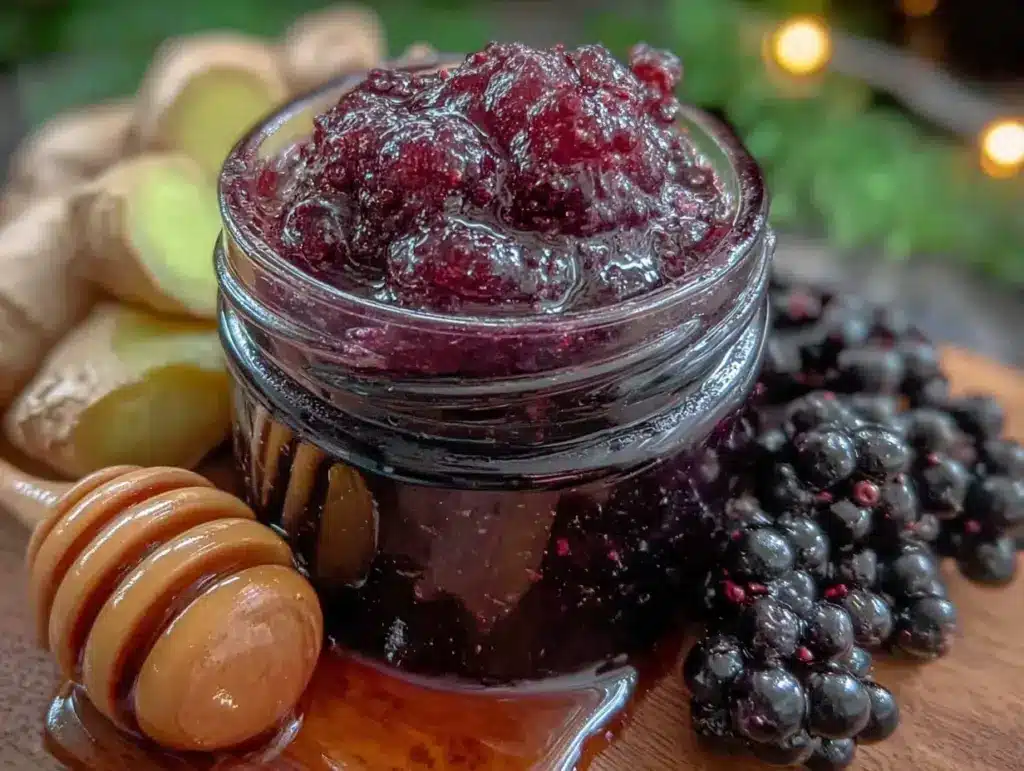
For a while, I just accepted that homemade elderberry syrup wasn’t going to taste like anything more than a bitter health tonic. I mean, those dark berries have a reputation, right? Sometimes I’d try those store-bought versions that promised immune-boosting magic but ended up tasting like cough syrup with no real warmth or comfort. It wasn’t that I didn’t want to make my own elderberry syrup — it was that I never found a version that felt right, that actually invited me back for another spoonful without grimacing.
One chilly afternoon, while peeling fresh ginger and sipping tea, I found myself wondering if blending the sharp zing of ginger with the natural sweetness of raw honey might soften the edge of elderberry’s deep, earthy flavor. It was a quiet experiment, nothing grand. I simmered the berries slowly, letting the kitchen fill with a cozy, slightly spicy aroma that made me think of calm winter evenings and the kind of care you want when sniffles start creeping in.
The syrup that came out of that batch wasn’t perfect, but it was close enough to keep me tinkering and tasting. What stuck with me, honestly, was how that ginger and honey combo made the elderberry feel less like medicine and more like a little daily ritual — something that felt nourishing and gentle. It’s not flashy or trendy, just honest ingredients working quietly together.
That’s why this healthy elderberry syrup with fresh ginger and raw honey found its way into my kitchen routine. It’s the kind of recipe that lingers in your mind because it’s simple and reliable, offering a small promise of wellness without fuss or fanfare. And if you’re like me — someone who appreciates a slow, thoughtful approach to natural remedies — this syrup might just become a steady companion for your own cold season.
Why You’ll Love This Recipe
Through my many trials, this elderberry syrup recipe rose above the rest thanks to a few key reasons. It’s not just another health concoction — it’s a blend that feels approachable and genuinely tasty. Here’s why it’s worth keeping in your recipe box:
- Quick & Easy: The whole process takes about 30 minutes, making it doable for a weekend afternoon or a last-minute immune boost.
- Simple Ingredients: No need for weird supplements — just fresh elderberries, ginger, and raw honey, all of which you can find at your local market or health store.
- Perfect for Cold Seasons: This syrup is ideal for chilly days when you want a little extra defense from the sniffles without resorting to pills.
- Crowd-Pleaser: My family actually asks for this syrup on toast or stirred into warm tea — which says a lot, considering how picky my kids are about “healthy stuff.”
- Unbelievably Delicious: The fresh ginger adds a lively kick that cuts through the deep berry flavor, while the raw honey smooths everything into a rich, satisfying syrup.
This recipe stands out because I’ve chosen fresh ginger over powdered, which really brightens the flavor and adds natural warmth. Plus, raw honey isn’t just sweetness — it brings its own healthful enzymes that pasteurized honey can’t match. It’s a little twist that takes this syrup beyond typical recipes, making it feel like a handcrafted remedy instead of a generic health trend.
Honestly, this isn’t just syrup — it’s a small moment of calm you can reach for when life gets hectic, and sniffles start knocking on your door. It’s the kind of homemade care that’s easy to make and even easier to appreciate.
What Ingredients You Will Need
This recipe uses simple, wholesome ingredients to deliver bold flavor and satisfying texture without the fuss. Each component plays a role in balancing taste and natural health benefits, and you likely have most of them on hand or can find them easily.
- Fresh Elderberries (about 1 cup or 150 grams, fresh or frozen) — Look for ripe, dark berries without stems. If you can’t find fresh, frozen elderberries work just fine.
- Fresh Ginger Root (1-2 inches, peeled and thinly sliced) — Fresh ginger adds a bright, zesty warmth that dried ginger just can’t replicate. It’s worth the extra peel.
- Raw Honey (½ to ¾ cup, depending on sweetness preference) — Raw honey is preferred for its natural enzymes and depth of flavor. I recommend local varieties when possible for the best taste.
- Water (3 cups or 720 ml) — The base for simmering your elderberries and ginger, extracting all those good-for-you juices.
- Optional: Fresh Lemon Juice (1-2 tablespoons) — Adds a little brightness and helps preserve the syrup, but it’s not mandatory.
Substitution notes: If you’re vegan or allergic to honey, swap it with maple syrup or agave nectar — the flavor will shift slightly but still be delicious. For a gluten-free immune boost, this recipe fits perfectly as is. In summer, if you want a twist, adding a handful of fresh berries like blueberries can bring a lighter note, but I prefer the classic elderberry-ginger combo for its familiar, comforting vibe.
Equipment Needed
Making this elderberry syrup requires just a few basic kitchen tools — nothing fancy or expensive.
- Medium Saucepan: A 2-3 quart saucepan works well for simmering the syrup. I’ve used both stainless steel and enameled ones; the latter helps prevent sticking and is easier to clean.
- Fine Mesh Strainer or Cheesecloth: To strain out the berries and ginger pieces, a fine mesh sieve is a must. Cheesecloth works great if you want an ultra-clear syrup without any sediment.
- Measuring Cups and Spoons: For accuracy in liquid and honey amounts.
- Wooden Spoon or Heatproof Spatula: For stirring gently during simmering.
- Glass Jar or Bottle: Store your finished syrup in a clean, airtight glass container. I like repurposing old jam jars or glass bottles with a tight lid for easy pouring.
If you don’t have cheesecloth, a clean kitchen towel or coffee filter can work in a pinch. I keep an old jelly strainer set handy for quick syrup batches — they’re budget-friendly and easy to maintain by rinsing and drying thoroughly after each use.
Preparation Method
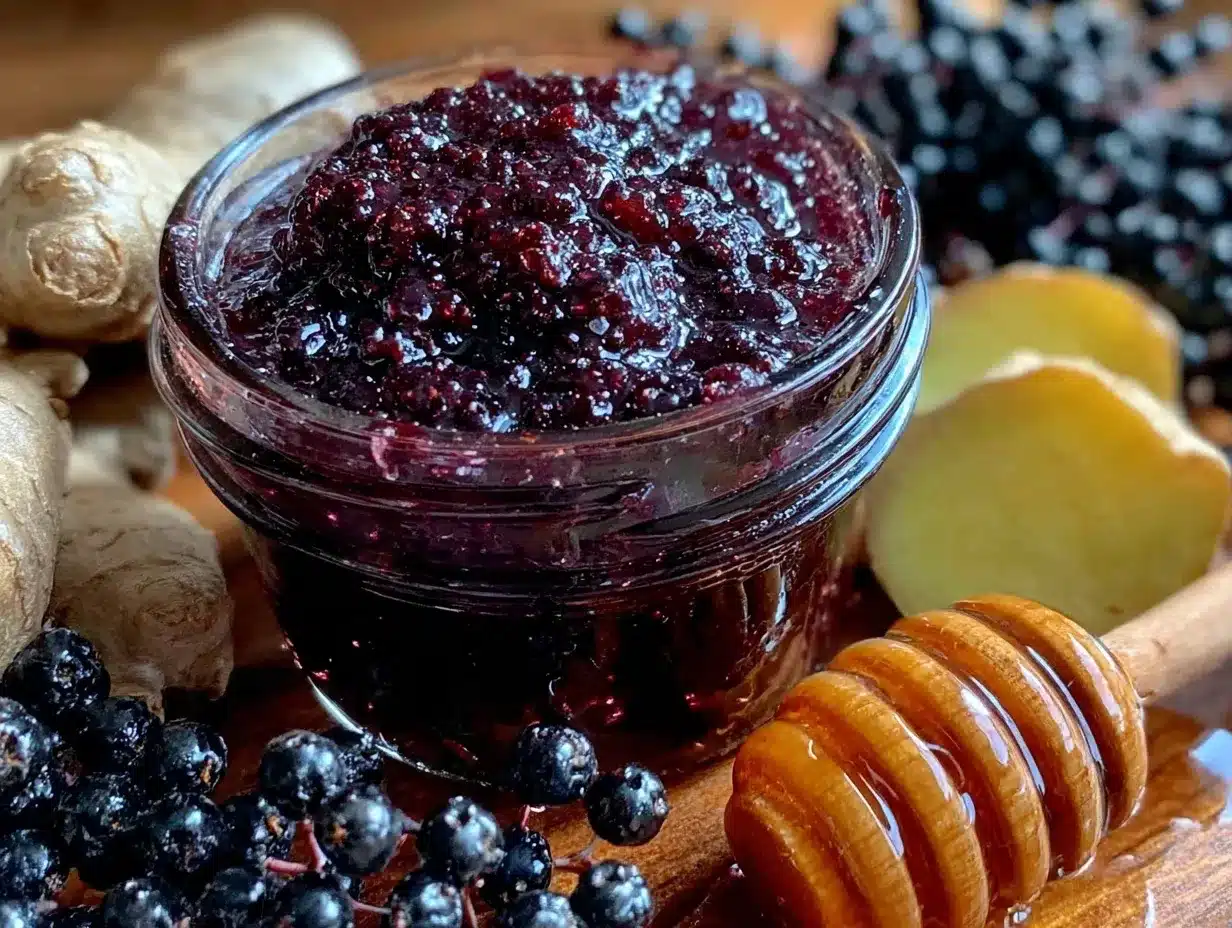
- Prepare the Ingredients (5 minutes): Rinse about 1 cup of fresh elderberries (or frozen, thawed) thoroughly to remove any dirt or debris. Peel and thinly slice 1-2 inches of fresh ginger root. If using lemon juice, have it freshly squeezed and ready.
- Simmer the Berries and Ginger (20 minutes): In your medium saucepan, combine the elderberries, sliced ginger, and 3 cups (720 ml) of water. Bring this mixture to a gentle boil over medium-high heat, then reduce to low and let it simmer uncovered for about 20 minutes. You’ll notice the liquid turning a deep purple color and a fragrant, spicy aroma filling your kitchen.
- Strain the Syrup (5 minutes): Remove the pan from heat. Using a fine mesh strainer or cheesecloth, carefully strain the liquid into a bowl or large measuring cup. Press gently on the solids with the back of a spoon to extract as much juice as possible without forcing pulp through.
- Add Raw Honey and Optional Lemon Juice (5 minutes): Let the strained liquid cool just slightly — it should be warm but not hot (under 110°F / 43°C) to preserve the raw honey’s enzymes. Stir in ½ to ¾ cup of raw honey, adjusting sweetness to taste. Add 1-2 tablespoons of fresh lemon juice if you like a bit of brightness and extra shelf life.
- Transfer and Store: Pour your syrup into a clean glass jar or bottle. Seal tightly and refrigerate. It will keep fresh for up to 3 weeks. For longer storage, you can freeze it in ice cube trays and thaw as needed.
Quick tip: If the syrup tastes too sharp, adding a little more honey balances it out nicely. And remember, the syrup is concentrated — a typical dose is 1 tablespoon (15 ml) daily for adults, less for kids.
Cooking Tips & Techniques
Making elderberry syrup at home can feel intimidating, but a few tips can make it easier and more reliable.
- Use Fresh or Frozen Berries: Fresh elderberries give the best flavor, but frozen works well year-round. Avoid dried berries here — they don’t extract the same vibrant juice.
- Don’t Boil Too Hard: A gentle simmer lets the berries burst and release their goodness without cooking away too much flavor or nutrients.
- Timing Matters: Simmer for about 20 minutes — longer can make the syrup bitter. When in doubt, smell and taste a little as it cooks.
- Honey Goes In Last: Adding honey to very hot liquid kills its beneficial enzymes, so wait for the syrup to cool slightly before stirring it in.
- Strain Thoroughly: Leaving berry bits in the syrup can shorten shelf life and affect texture. I like to press gently but firmly during straining to get all the juice out.
- Sanitize Your Storage Jar: Washing your jar in hot, soapy water and drying it completely helps the syrup last longer and prevents mold.
From my experience, sometimes the syrup thickens after refrigeration — just give it a good stir or warm it slightly before use. It’s normal and doesn’t affect potency.
Variations & Adaptations
This elderberry syrup recipe is a great base to customize for your taste or dietary needs. Here are a few ideas I’ve tried or recommend:
- Spiced Version: Add a cinnamon stick or a couple of cloves during simmering for a warm, cozy flavor perfect for winter evenings.
- Vegan-Friendly: Substitute raw honey with maple syrup or agave nectar. The taste is a bit different but still delicious and immune-supportive.
- Alcohol-Infused Syrup: For adults, add a splash (1-2 tablespoons) of brandy or vodka after straining to create a tincture-style syrup with longer shelf life.
- Extra Zing: Boost the ginger to 3 inches of fresh root if you like a stronger, peppery bite.
- Fruit Boost: Blend in a handful of fresh blueberries or blackberries during simmering for a mixed-berry syrup variation.
Personally, I once made a batch with a pinch of cayenne pepper — it added a surprising warmth that helped soothe my scratchy throat. Just a little goes a long way!
Serving & Storage Suggestions
This syrup is versatile in how you enjoy it. I typically take a tablespoon straight or stirred into a warm cup of tea first thing in the morning. It’s also lovely drizzled over oatmeal, yogurt, or even pancakes for a mild fruity kick.
When serving, a gentle warming (not boiling) of the syrup helps meld flavors and makes it easier to drizzle or stir. Pairing it with herbal teas like chamomile or lemon balm enhances the soothing effect.
Store your syrup in the refrigerator in a clean, airtight glass jar. It keeps well for up to three weeks. If you want to keep it longer, freezing in ice cube trays is a handy method — just pop out a cube when needed.
The flavors tend to deepen after a few days, so sometimes I make it a week ahead of cold season to let it mellow. If you notice any mold or off smells, discard immediately — homemade syrups don’t have preservatives, so freshness is key.
Nutritional Information & Benefits
One tablespoon (15 ml) of this elderberry syrup roughly contains about 40-50 calories, mostly from the natural sugars in honey. It’s low in fat and protein but rich in antioxidants thanks to the elderberries and ginger.
Elderberries are known for their flavonoids, which support immune function and may help reduce cold and flu symptoms. Ginger brings anti-inflammatory and digestive benefits, while raw honey adds antimicrobial properties and soothes sore throats.
This syrup is gluten-free, dairy-free, and made without added preservatives or artificial ingredients — a pure option for those seeking natural wellness support.
Conclusion
This healthy elderberry syrup with fresh ginger and raw honey has quietly become my go-to for gentle wellness support. It’s simple, approachable, and tastes like care in a jar. The recipe invites you to slow down just a bit — to stir, simmer, and savor something homemade that actually makes a difference.
Feel free to tweak the ginger, honey, or add your own twists to suit your taste or needs. It’s flexible enough to fit your routine and reliable enough to turn to when those sniffles start creeping in.
Personally, I love how this syrup bridges the gap between old-fashioned remedies and modern kitchen ease. If you find yourself reaching for it on crisp mornings or before bed, you’ll understand why it sticks around in my fridge year after year.
And hey, if you’re curious about more homemade treats with natural ingredients, you might enjoy my creamy passion fruit mousse cups or the cozy feel of spinach and feta croissant bake for weekend brunch.
FAQs
Can I use dried elderberries instead of fresh or frozen?
Dried elderberries aren’t ideal for this syrup recipe because they don’t release the same fresh flavor and can make the syrup bitter. Fresh or frozen elderberries give the best results.
How much syrup should I take daily?
Adults typically take 1 tablespoon (15 ml) daily as a preventative dose, and 1-2 teaspoons for children. During illness, some take it up to 3-4 times a day, but listen to your body and consult a healthcare provider if unsure.
Can this syrup be given to children?
Yes, but avoid giving elderberry syrup to children under one year old due to honey content. For older kids, reduce the dosage and watch for any reactions, especially if they have allergies.
How long does homemade elderberry syrup last?
Stored in a sealed glass jar in the refrigerator, it lasts up to 3 weeks. Freezing in small portions can extend shelf life for several months.
Is raw honey necessary, or can I use regular honey?
Raw honey is preferred for its natural enzymes and health benefits, but if you only have regular honey, it will still sweeten the syrup. Just be aware that heating honey reduces some of its beneficial properties.
Pin This Recipe!
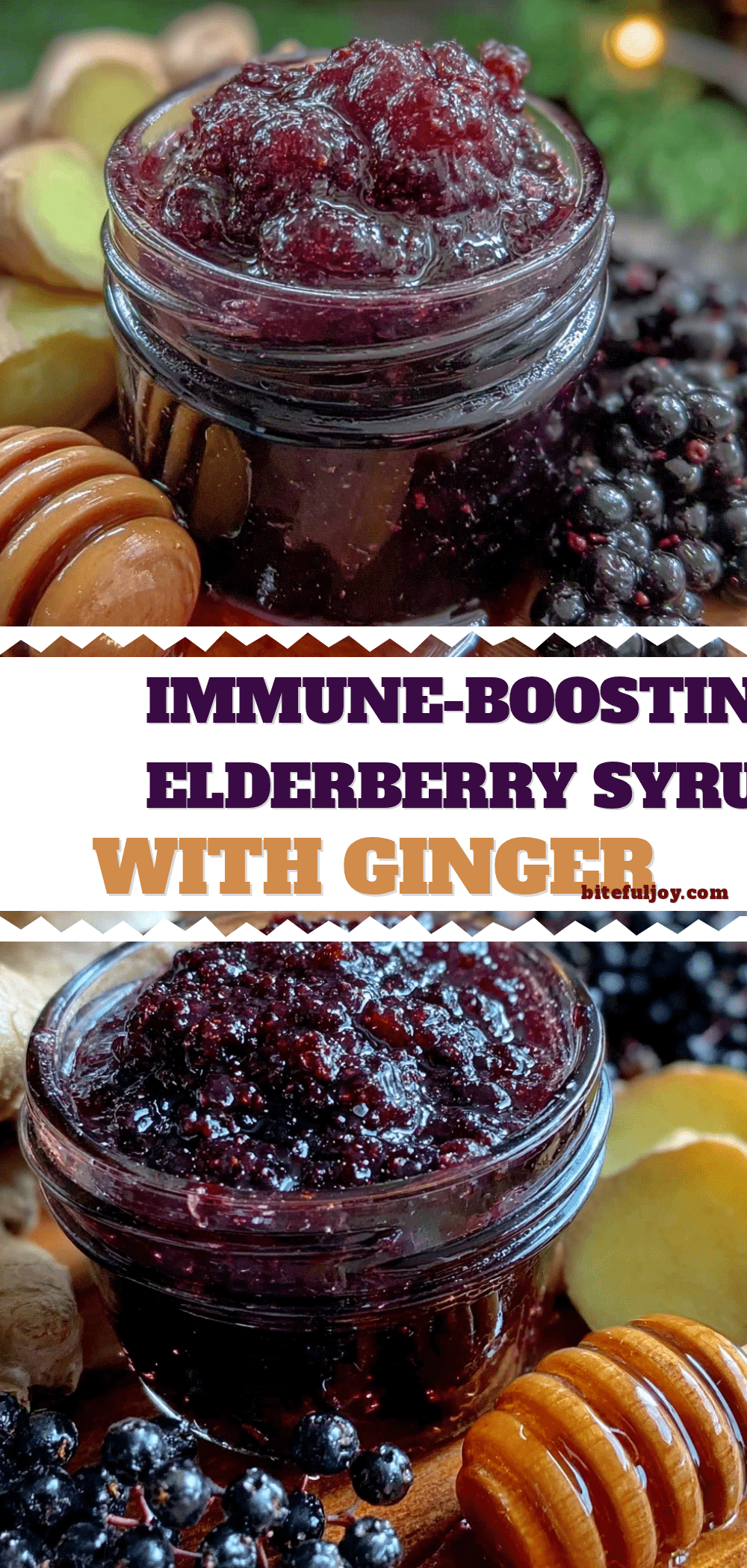
Healthy Elderberry Syrup Recipe with Fresh Ginger and Raw Honey Easy Homemade Immune Booster

A simple and tasty homemade elderberry syrup with fresh ginger and raw honey that serves as a natural immune booster, perfect for cold seasons.
- Prep Time: 5 minutes
- Cook Time: 20 minutes
- Total Time: 30 minutes
- Yield: About 1 cup syrup (approximately 16 servings of 1 tablespoon each) 1x
- Category: Health Tonic / Immune Booster
- Cuisine: American
Ingredients
- 1 cup (150 grams) fresh or frozen elderberries
- 1–2 inches fresh ginger root, peeled and thinly sliced
- ½ to ¾ cup raw honey
- 3 cups (720 ml) water
- Optional: 1-2 tablespoons fresh lemon juice
Instructions
- Rinse about 1 cup of fresh elderberries (or frozen, thawed) thoroughly to remove any dirt or debris. Peel and thinly slice 1-2 inches of fresh ginger root. If using lemon juice, have it freshly squeezed and ready.
- In a medium saucepan, combine the elderberries, sliced ginger, and 3 cups (720 ml) of water. Bring this mixture to a gentle boil over medium-high heat, then reduce to low and let it simmer uncovered for about 20 minutes.
- Remove the pan from heat. Using a fine mesh strainer or cheesecloth, carefully strain the liquid into a bowl or large measuring cup. Press gently on the solids with the back of a spoon to extract as much juice as possible without forcing pulp through.
- Let the strained liquid cool just slightly — it should be warm but not hot (under 110°F / 43°C) to preserve the raw honey’s enzymes. Stir in ½ to ¾ cup of raw honey, adjusting sweetness to taste. Add 1-2 tablespoons of fresh lemon juice if desired.
- Pour the syrup into a clean glass jar or bottle. Seal tightly and refrigerate. It will keep fresh for up to 3 weeks. For longer storage, freeze in ice cube trays and thaw as needed.
Notes
Use fresh or frozen elderberries for best flavor; avoid dried elderberries. Do not boil vigorously to preserve nutrients. Add honey only after syrup cools below 110°F to preserve enzymes. Store syrup refrigerated up to 3 weeks or freeze for longer storage. Adjust ginger and honey amounts to taste. For vegan option, substitute honey with maple syrup or agave nectar.
Nutrition
- Serving Size: 1 tablespoon (15 ml)
- Calories: 45
- Sugar: 11
- Carbohydrates: 12
- Fiber: 1
Keywords: elderberry syrup, homemade elderberry syrup, immune booster, fresh ginger, raw honey, natural remedy, cold season syrup, elderberry recipe