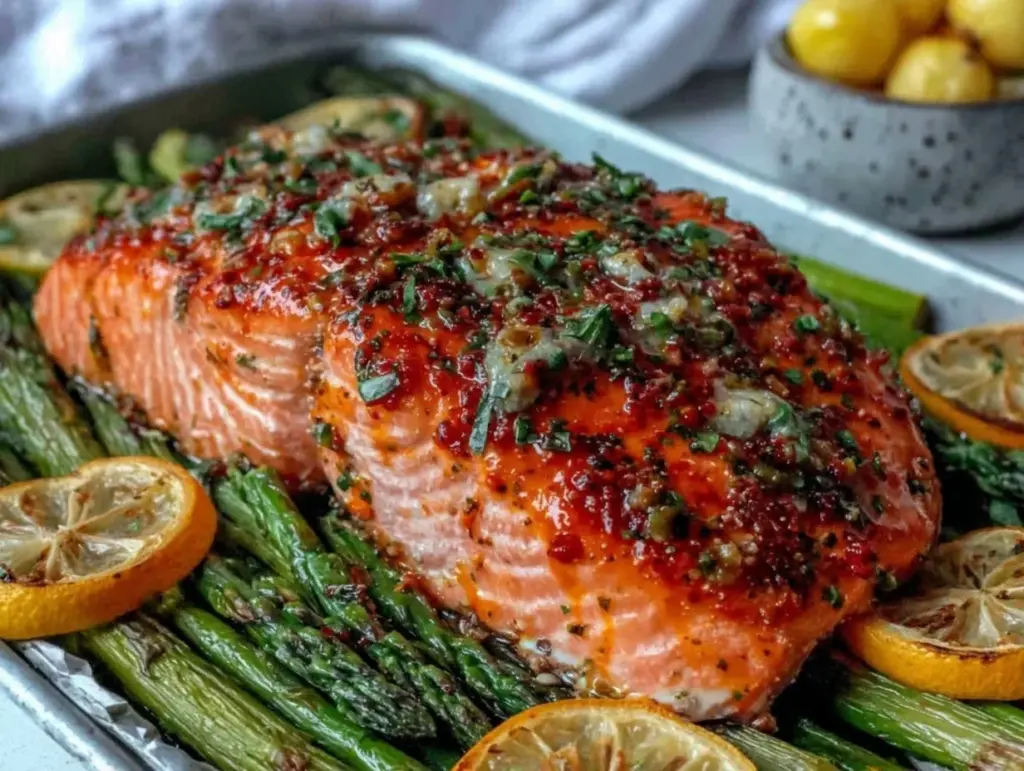
“Hey, what’s for dinner?” my partner asked as I stared blankly at the fridge one hectic Tuesday evening. Honestly, I was wiped from a long day, and the idea of juggling multiple pots and pans felt like a cruel joke. I had just picked up some fresh salmon earlier that day, but no real plan. Then, almost on a whim, I tossed the salmon, some asparagus, olive oil, lemon slices, and a handful of spices onto a single sheet pan. I figured, worst case, it’d be edible. But as soon as the kitchen filled with that citrusy, roasted aroma, I knew I’d stumbled on something special. The salmon was perfectly tender, the asparagus crisp-tender with just the right char, and the lemon added a brightness that pulled everything together.
This healthy diabetes-friendly sheet pan salmon recipe quickly became my go-to. It’s the kind of meal I make repeatedly in a week—seriously, I caught myself prepping it three nights in a row—and it never gets old. The simplicity of throwing everything on one pan is a game-changer when you’re juggling work, life, and the need to eat well. Plus, it suits anyone looking for a balanced meal without the fuss. I keep coming back to it not just because it’s handy but because it tastes like I spent way more time on it than I actually did. That’s the quiet win, you know?
I love that this recipe fits right in with a healthy lifestyle, especially when managing blood sugar levels, and it’s gentle on the palate yet packed with flavor. No overwhelming spices or complicated prep—just fresh ingredients that let the salmon shine. That little squeeze of lemon at the end? It’s the kind of detail that makes you close your eyes and savor the moment. This dish stuck with me because it’s reliable, satisfying, and honest. It’s not trying to be fancy, just genuinely good food that supports health without sacrificing taste.
Why You’ll Love This Healthy Diabetes-Friendly Sheet Pan Salmon Recipe
After testing this salmon recipe multiple times, I’m confident it ticks all the boxes for anyone wanting a diabetes-friendly meal that’s fuss-free but delicious. Here’s why it stands out:
- Quick & Easy: Ready in about 25 minutes total. Perfect for those nights when time is tight but you still want a wholesome dinner.
- Simple Ingredients: You probably have everything on hand—fresh salmon, asparagus, lemon, olive oil, and basic seasonings.
- Perfect for Meal Prep: Makes excellent leftovers that reheat well, so you can prep ahead for busy days.
- Crowd-Pleaser: Whether it’s a family dinner or a casual gathering, this recipe gets nods of approval from all ages.
- Unbelievably Delicious: The balance of roasted flavors, bright lemon, and flaky salmon texture is honestly next-level comforting.
This isn’t just a standard salmon and veggie sheet pan meal. The trick is in the seasoning—a little smoked paprika and garlic powder add a subtle depth without overpowering the delicate fish. Also, roasting asparagus alongside the salmon ensures both components finish perfectly at the same time, saving effort and cleanup.
For anyone who’s tried other one-pan salmon dinners and found them a bit dry or bland, this recipe offers a noticeable difference. The lemon slices roast right on top, infusing the fish with a fresh citrus zing that’s so refreshing yet soothing. It’s the kind of dish that turns weekday cooking from a chore into a quiet moment of satisfaction.
What Ingredients You Will Need
This recipe uses simple, wholesome ingredients to deliver bold flavor and satisfying texture without the fuss. Most of these are pantry staples, and the fresh produce adds that vibrant touch. Here’s what you’ll gather:
- Salmon fillets (about 6 oz / 170 g each, skin-on preferred for crispiness)
- Fresh asparagus spears (1 bunch, trimmed)
- Lemon (1 large, thinly sliced; plus extra wedges for serving)
- Extra virgin olive oil (3 tablespoons, for roasting and drizzling)
- Garlic powder (1 teaspoon, adds a mellow savory note)
- Smoked paprika (½ teaspoon, for a subtle smoky warmth)
- Sea salt (to taste, preferably flaky for finishing)
- Freshly ground black pepper (to taste)
- Fresh parsley (a small handful, chopped, for garnish – optional but freshens the dish)
For best results, I recommend wild-caught salmon if you can find it—it tends to have a richer flavor and firmer texture. When selecting asparagus, look for firm, bright green stalks without woody ends. If you prefer, you can swap smoked paprika for sweet paprika or even a pinch of chili flakes for heat.
If you need a dairy-free or keto-friendly side, asparagus works perfectly here, but you could also roast broccoli or green beans. The lemon is key to keeping the flavor vibrant, so don’t skimp on fresh slices or wedges for plating.
Equipment Needed
- Baking sheet or sheet pan: A rimmed one works best to catch any drips and keep the oven clean.
- Parchment paper or silicone baking mat: Optional but recommended to prevent sticking and simplify cleanup.
- Mixing bowl: For tossing asparagus with olive oil and seasonings.
- Tongs or spatula: To handle asparagus and salmon without breaking the fillets.
- Sharp knife: For trimming asparagus and slicing lemon thinly.
If you don’t have parchment paper, a light coating of oil on the pan works well. I’ve tried both, and parchment definitely saves scrubbing later. For people on a budget, a sturdy rimmed baking sheet from any kitchen store will do the job just fine.
Preparation Method
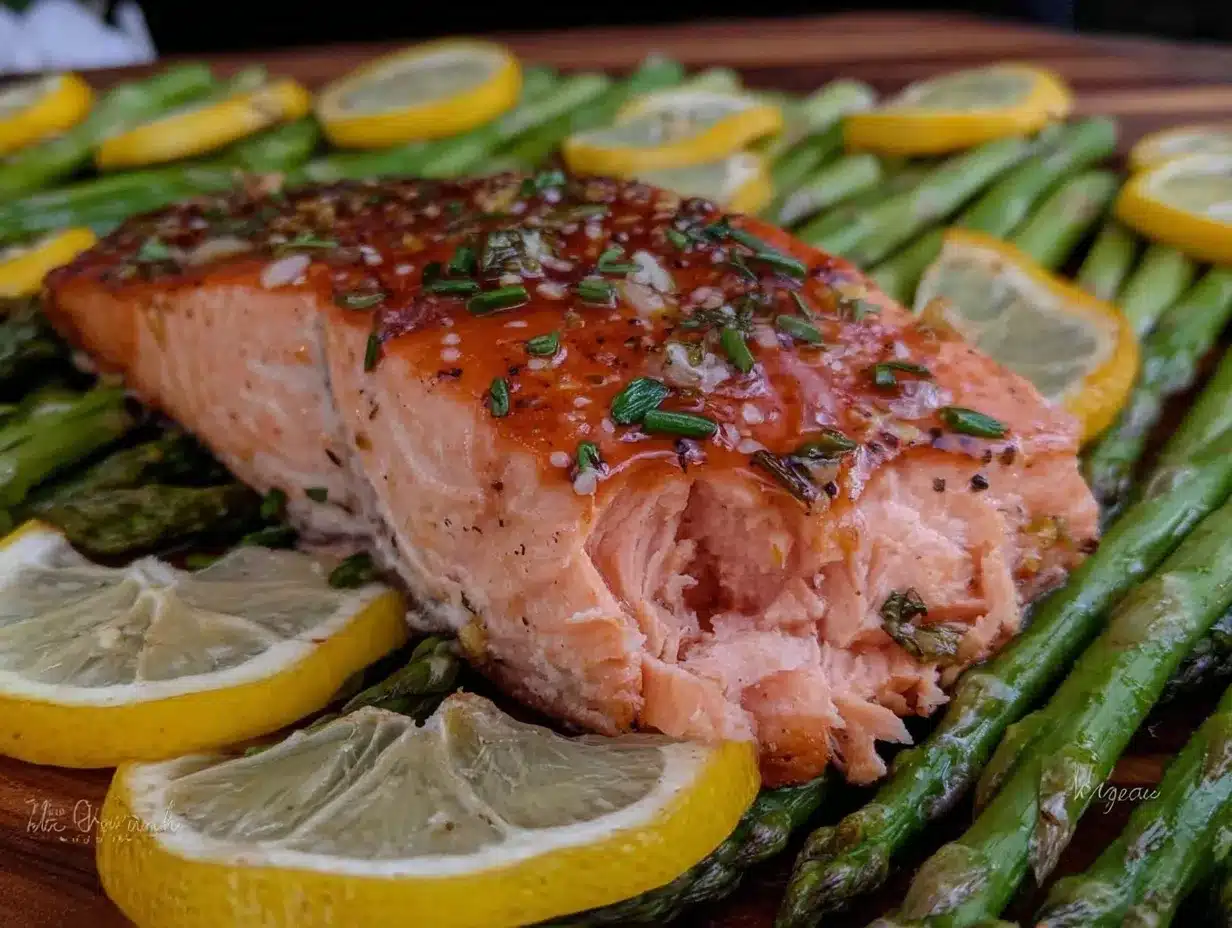
- Preheat your oven to 400°F (200°C). Line your baking sheet with parchment paper or lightly grease it. This helps avoid sticking and makes cleanup easier.
- Prepare the asparagus: Rinse and trim about 1 bunch of fresh asparagus by snapping off the woody ends. Place asparagus in a mixing bowl, drizzle with 2 tablespoons olive oil, sprinkle with ½ teaspoon sea salt and ¼ teaspoon black pepper, then toss well to coat evenly.
- Arrange asparagus on one side of the prepared baking sheet in a single layer. This ensures even roasting and prevents steaming.
- Prepare the salmon: Pat 4 salmon fillets dry with paper towels to help the seasoning stick. In a small bowl, mix 1 tablespoon olive oil with garlic powder (1 teaspoon), smoked paprika (½ teaspoon), salt (½ teaspoon), and pepper (¼ teaspoon).
- Brush the seasoning mixture evenly over the salmon fillets, coating both sides gently but thoroughly.
- Place the salmon skin-side down on the empty side of the baking sheet, leaving space between fillets for air circulation.
- Top each fillet with two thin lemon slices. This adds moisture and infuses the salmon as it roasts.
- Roast in the preheated oven for about 12-15 minutes, depending on thickness. The asparagus should be tender with slightly crispy tips, and the salmon should flake easily with a fork but still be moist.
- Check doneness: If you want your salmon a bit more cooked, leave it for 2-3 extra minutes, but be careful not to dry it out.
- Remove from oven, sprinkle chopped fresh parsley over everything (if using), and serve immediately with extra lemon wedges on the side.
Pro tip: While the salmon roasts, resist opening the oven often; letting the heat stay consistent helps get that perfect golden finish on the asparagus and tender fish. If you notice uneven cooking (some asparagus thicker than others), place the thicker stalks closer to the edges of the pan where heat is more direct.
Cooking Tips & Techniques for Sheet Pan Salmon
One thing I’ve learned from plenty of trial and error is that drying the salmon before seasoning is key. Wet fish leads to soggy skin instead of that satisfying crisp. Patting it completely dry makes a noticeable difference.
Also, don’t overcrowd your sheet pan. Airflow around the salmon and asparagus lets everything roast evenly, so if your pan looks crowded, split the batch or use two pans.
Another tip: thinly slicing the lemon rather than just squeezing juice on top helps the fish absorb that fresh citrus flavor slowly as it cooks, which feels more natural and less overpowering.
If you want to multitask, toss a simple quinoa salad or fresh watermelon feta mint salad while the salmon roasts. That way, you’re not stuck waiting and can have a full, balanced meal with minimal fuss.
Finally, watch your oven temps. Some ovens run hot, so if you find asparagus burning before salmon cooks through, lower the temperature to 375°F (190°C) and roast a bit longer.
Variations & Adaptations
- Spice it up: Add a dash of cayenne pepper or chili flakes to the seasoning mix for a spicy kick.
- Seasonal swap: Replace asparagus with green beans or broccoli florets in colder months.
- Herb twist: Try fresh dill or thyme instead of parsley for a different herbal note.
- Gluten-free & low-carb: This recipe is naturally gluten-free and low-carb, but you can serve it with cauliflower rice or a simple salad for a complete meal.
- Dairy-free & paleo: Just stick with olive oil and fresh herbs—no dairy needed here.
One time, I swapped lemon slices for orange slices out of curiosity. It brought a sweeter, almost tropical flavor that my family surprisingly loved—definitely worth a try if you want something a little different on a sunny day.
Serving & Storage Suggestions
This salmon dish is best enjoyed straight from the oven, warm and fragrant with those fresh lemon slices still intact. Serve it with extra lemon wedges on the side so everyone can add a splash of brightness.
It pairs beautifully with steamed brown rice or the creamy quiche lorraine if you want a heartier brunch option. A crisp white wine or sparkling water with a lemon twist complements the meal perfectly.
For leftovers, cool completely before transferring to an airtight container. Store in the fridge for up to 3 days. When reheating, I recommend warming gently in a low oven or microwave at 50% power to avoid drying out the fish.
Flavors actually deepen after a day or two, so if you have the patience, leftovers can be even tastier. The asparagus may lose some crispness but still tastes great cold or lightly reheated.
Nutritional Information & Benefits
This healthy diabetes-friendly sheet pan salmon meal is packed with nutrients that support balanced blood sugar and heart health. Each serving (approximately one salmon fillet with asparagus) provides roughly:
| Calories | 350-400 |
|---|---|
| Protein | 35g |
| Fat | 20g (mostly healthy fats from olive oil and salmon) |
| Carbohydrates | 6-8g (mostly fiber from asparagus) |
Salmon is an excellent source of omega-3 fatty acids, which can help reduce inflammation and support cardiovascular health—especially important for those managing diabetes. Asparagus adds fiber and antioxidants without spiking blood sugar. Plus, using olive oil instead of butter keeps the fats heart-healthy.
Of course, this recipe is naturally gluten-free and low in carbs, making it a solid choice for many dietary preferences and restrictions.
Conclusion
This healthy diabetes-friendly sheet pan salmon with roasted asparagus and lemon is genuinely one of those recipes that makes weeknight dinners feel less like a scramble and more like a moment of calm. I love how it combines ease, flavor, and nutrition without cutting corners on taste. It’s adaptable, straightforward, and honest—everything I want in a recipe when life is busy but health matters.
Feel free to tweak the seasoning or swap veggies to make it your own. I’m confident you’ll appreciate how little effort it takes to deliver something this good and nourishing. When I want a meal that’s fresh, flavorful, and supportive of well-being, this is where I go every time.
Give it a try, and let me know how you put your spin on it—I’m always curious about new takes on a classic sheet pan dinner!
Frequently Asked Questions
Can I use frozen salmon for this recipe?
Yes, but thaw it completely and pat dry before seasoning to avoid excess moisture, which can affect roasting.
How do I know when the salmon is perfectly cooked?
The flesh should flake easily with a fork but still look moist. Internal temperature of 145°F (63°C) is the USDA recommendation.
Can I prepare this recipe ahead of time?
You can prep the seasoning and trim asparagus in advance, but I recommend roasting just before serving for best texture.
What can I substitute for asparagus if I don’t like it?
Green beans, broccoli florets, or even sliced bell peppers work well roasted alongside salmon.
Is this recipe suitable for a low-carb diet?
Absolutely. It’s naturally low in carbohydrates and focuses on lean protein and vegetables.
Pin This Recipe!

Healthy Diabetes-Friendly Sheet Pan Salmon Recipe with Roasted Asparagus and Lemon for Easy Meal Prep

A quick and easy sheet pan salmon recipe with roasted asparagus and lemon, perfect for a healthy, diabetes-friendly meal that is flavorful and fuss-free.
- Prep Time: 10 minutes
- Cook Time: 15 minutes
- Total Time: 25 minutes
- Yield: 4 servings 1x
- Category: Main Course
- Cuisine: American
Ingredients
- 4 salmon fillets (about 6 oz / 170 g each, skin-on preferred)
- 1 bunch fresh asparagus spears, trimmed
- 1 large lemon, thinly sliced (plus extra wedges for serving)
- 3 tablespoons extra virgin olive oil
- 1 teaspoon garlic powder
- ½ teaspoon smoked paprika
- Sea salt to taste (preferably flaky)
- Freshly ground black pepper to taste
- Fresh parsley, a small handful chopped (optional, for garnish)
Instructions
- Preheat your oven to 400°F (200°C). Line your baking sheet with parchment paper or lightly grease it.
- Rinse and trim about 1 bunch of fresh asparagus by snapping off the woody ends. Place asparagus in a mixing bowl, drizzle with 2 tablespoons olive oil, sprinkle with ½ teaspoon sea salt and ¼ teaspoon black pepper, then toss well to coat evenly.
- Arrange asparagus on one side of the prepared baking sheet in a single layer.
- Pat 4 salmon fillets dry with paper towels. In a small bowl, mix 1 tablespoon olive oil with garlic powder (1 teaspoon), smoked paprika (½ teaspoon), salt (½ teaspoon), and pepper (¼ teaspoon).
- Brush the seasoning mixture evenly over the salmon fillets, coating both sides gently but thoroughly.
- Place the salmon skin-side down on the empty side of the baking sheet, leaving space between fillets for air circulation.
- Top each fillet with two thin lemon slices.
- Roast in the preheated oven for about 12-15 minutes, until asparagus is tender with slightly crispy tips and salmon flakes easily but remains moist.
- If desired, cook 2-3 minutes longer for more doneness but avoid drying out the salmon.
- Remove from oven, sprinkle chopped fresh parsley over everything if using, and serve immediately with extra lemon wedges.
Notes
Pat salmon dry before seasoning to ensure crispy skin. Do not overcrowd the pan for even roasting. Thinly slice lemon to infuse flavor during roasting. If oven runs hot, reduce temperature to 375°F and roast longer. Leftovers keep well for up to 3 days refrigerated and reheat gently to avoid drying.
Nutrition
- Serving Size: 1 salmon fillet with
- Calories: 375
- Sugar: 2
- Sodium: 400
- Fat: 20
- Saturated Fat: 3
- Carbohydrates: 7
- Fiber: 3
- Protein: 35
Keywords: salmon, sheet pan dinner, diabetes-friendly, healthy, roasted asparagus, lemon, easy meal prep, low-carb, gluten-free