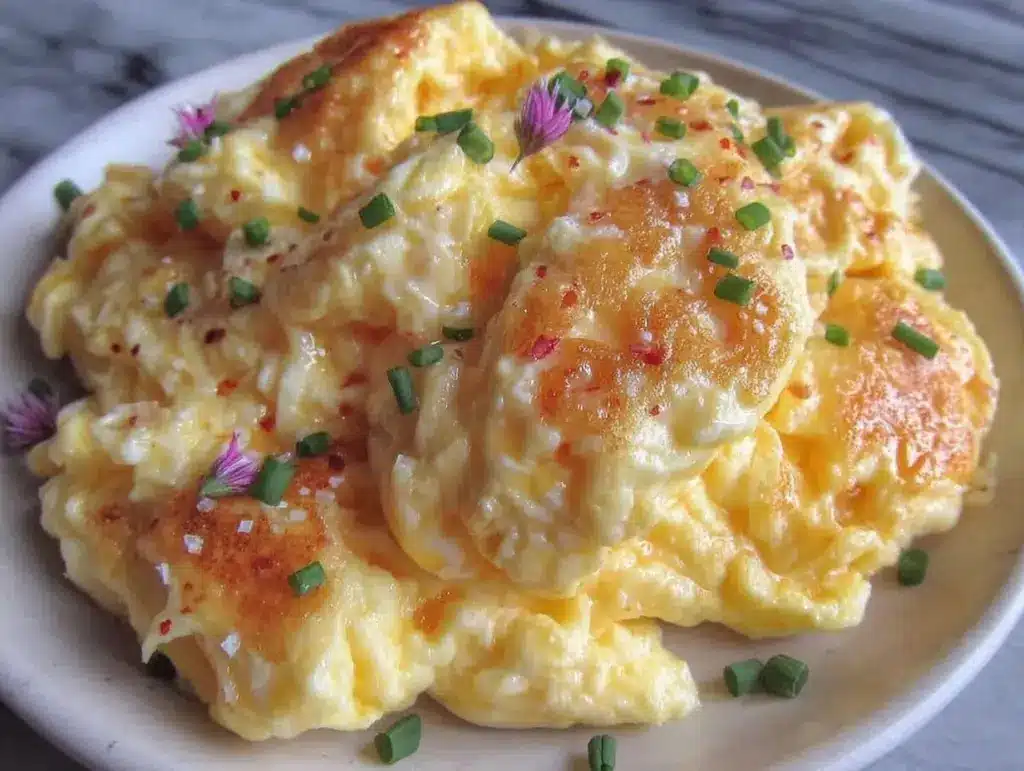
“Are you sure you’re not overcooking the eggs again?” my partner asked, peering over my shoulder as I stirred the pan for what felt like the hundredth time that week. Honestly, I used to think scrambled eggs were foolproof—just crack, whisk, cook, done. But those rubbery, watery disasters kept creeping in, and I was frustrated. One sleepy weekend, I decided to get serious about cracking the code to fluffy scrambled eggs that never go rubbery or watery.
That morning, with the kitchen still quiet except for a buzzing coffee maker, I tinkered with everything—temperature, whisking, even the way I added milk. The sound of gentle sizzling combined with the soft aroma of eggs cooking promised something better. And then, there it was: the lightest, creamiest scrambled eggs I’d ever made, soft enough to melt but firm enough to hold their shape. No more rubbery tug, no more watery puddles.
It wasn’t an overnight magic trick but a process of trial and error, a slow dance with technique and timing. Now, I find myself making these fluffy scrambled eggs almost every morning—it’s become my little ritual. It’s funny how a simple tweak can change everything and make you rethink what you thought you knew about eggs. So, if you’ve ever been stuck with scrambled eggs that disappoint, this recipe will quietly become your go-to. The perfect scramble isn’t just about eggs—it’s about that cozy moment in the kitchen that starts your day on the right note.
Why You’ll Love This Recipe
After countless attempts and kitchen experiments, this fluffy scrambled eggs recipe is the one I trust for a reliably soft, creamy texture every time. I’ve tested it on busy mornings when time is short and on slow weekend brunches when I want something a little special, and it never lets me down.
- Quick & Easy: Comes together in under 10 minutes, perfect for rushed mornings or a laid-back brunch.
- Simple Ingredients: No fancy or hard-to-find items here; just eggs, a splash of dairy, and basic seasoning.
- Perfect for Any Occasion: Whether it’s a weekday breakfast, a cozy weekend meal, or paired with a light salad like watermelon feta mint salad, these eggs fit right in.
- Crowd-Pleaser: I’ve served these eggs at gatherings and brunches, and they consistently win compliments from kids and adults alike.
- Unbelievably Delicious: The secret lies in the texture—a fluffy, cloud-like mouthfeel that’s soft, moist, and just right.
This recipe isn’t just scrambled eggs; it’s a carefully balanced approach that skips the rubbery or watery pitfalls. The gentle, low-heat cooking combined with a touch of creaminess from whole milk or cream creates a silky finish. Plus, whisking in air at the start and folding the eggs slowly while cooking helps create that signature fluffiness. It’s simple but surprisingly effective, making it feel like a special treat without the fuss.
Honestly, this recipe makes me pause and savor breakfast in a way I didn’t expect. It’s the kind of dish that turns mornings from rushed to restful, and you might catch yourself daydreaming about it until the next time you get to enjoy those soft, fluffy bites.
What Ingredients You Will Need
This recipe relies on a handful of straightforward ingredients that work together to create the perfect fluffy scrambled eggs. Most of these are pantry staples, and you can tweak a few depending on your preferences or dietary needs.
- Large eggs (4 eggs, room temperature)—the star of the show. Using room temperature eggs helps with even cooking.
- Whole milk or heavy cream (2 tablespoons)—adds richness and creaminess. You can swap for dairy-free milk like oat or almond if needed.
- Unsalted butter (1 tablespoon)—for cooking, giving the eggs a smooth, slightly nutty flavor.
- Salt (a pinch)—season to taste. I prefer kosher salt for gentle seasoning.
- Freshly ground black pepper (optional)—adds a little bite without overpowering.
- Fresh herbs like chives or parsley (optional)—for garnish and a fresh pop.
When I make these fluffy scrambled eggs, I usually grab eggs from trusted local farms or brands known for quality, like Vital Farms. It really does make a subtle difference in flavor and texture. Also, if you like a little extra creaminess or flavor, a splash of crème fraîche stirred in at the end can be a game-changer.
For a dairy-free twist, swapping heavy cream for coconut cream or almond milk works surprisingly well, though the flavor shifts slightly. And if you want a little more protein or fluff, stirring in a tablespoon of cottage cheese (look for small-curd, firm style) right before the eggs finish cooking adds moisture and richness without watering them down.
Equipment Needed
Making fluffy scrambled eggs doesn’t require fancy gadgets, but a few tried-and-true tools make the process easier and more consistent.
- Nonstick skillet (8-inch or medium size)—this is key to preventing eggs from sticking and helps with gentle cooking.
- Rubber spatula or silicone spatula—flexible and heat-resistant, perfect for folding and stirring eggs gently.
- Whisk or fork—for beating the eggs thoroughly to incorporate air, which is key for fluffiness.
- Mixing bowl (medium size)—for whisking eggs and milk before cooking.
- Measuring spoons—for precise amounts of milk and butter.
If you don’t have a nonstick skillet, a well-seasoned cast iron pan can work, but watch the heat carefully to avoid sticking or burning. I’ve tried both, and the nonstick pan gives me the most forgiving results, especially when I’m multitasking in the kitchen.
Maintenance tip: keep your skillet clean and free from scratches for the best egg-cooking experience, and avoid metal utensils to extend the life of your nonstick coating.
Preparation Method
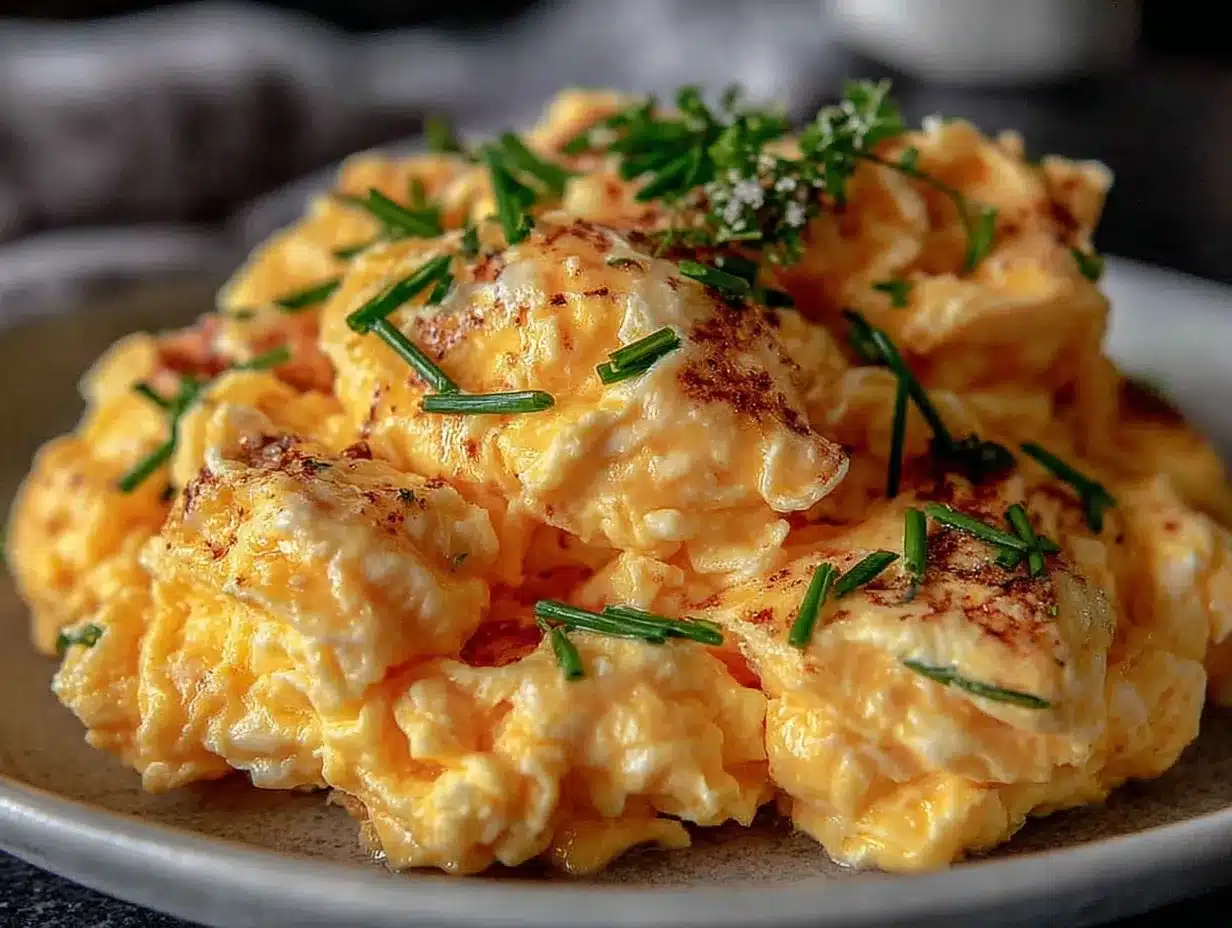
- Crack and whisk the eggs: In your mixing bowl, crack 4 large eggs. Add 2 tablespoons of whole milk or heavy cream. Whisk vigorously for 1-2 minutes until the mixture is pale yellow and slightly frothy. This step incorporates air, which makes the eggs fluffy.
- Heat the skillet: Place your nonstick skillet over low to medium-low heat. Add 1 tablespoon of unsalted butter and let it melt completely without browning. The butter should just coat the pan, creating a smooth surface for cooking.
- Pour and wait: Pour the egg mixture into the pan. Let it sit undisturbed for about 20 seconds. You’ll notice the edges just starting to set while the center remains runny.
- Gentle folding: Using your silicone spatula, gently push the eggs from the edges toward the center. Then, tilt the pan slightly so uncooked eggs flow to the edges. Repeat this folding every 15-20 seconds. This slow folding helps create soft curds without overcooking.
- Keep heat low: Keep the heat low throughout. If the eggs start sizzling or browning, reduce the heat immediately. Patience is key here—rushing with high heat leads to rubbery eggs.
- Check for doneness: After 2-3 minutes of gentle folding, the eggs should be mostly set but still moist and slightly glossy. Remove the pan from heat just before they look fully cooked; residual heat will finish the job.
- Final seasoning and serving: Sprinkle a pinch of salt and freshly ground black pepper to taste. If using fresh herbs, scatter them on top. Serve immediately for best texture.
Pro tip: If you want a little extra creaminess, stir in a teaspoon of crème fraîche or a small handful of grated cheese right at the end but off the heat.
Cooking Tips & Techniques
Getting fluffy scrambled eggs that avoid being rubbery or watery is all about control and timing. From my experience, here are the key lessons I’ve picked up:
- Don’t rush the whisking: Whisking the eggs thoroughly before cooking isn’t just tradition—it traps air that transforms the texture.
- Low and slow wins the race: Cooking on medium-low heat may feel like forever, but it prevents overcooking and drying out the eggs.
- Gentle folding, not stirring: Stirring vigorously breaks curds and releases moisture, making watery eggs. Folding carefully preserves fluffiness.
- Butter first, always: Cooking scrambled eggs in butter—not oil—adds flavor and richness that water-based fats can’t match.
- Remove from heat early: Eggs continue cooking even off heat, so pull the pan when they’re slightly underdone for creamy results.
- Experiment with dairy: Adding cream or whole milk improves texture, but too much liquid can cause watery eggs, so stick to 1-2 tablespoons.
Once, I got impatient and cranked up the heat, only to end up with tough, rubbery eggs that no amount of hot sauce could fix. Now, I remind myself that some kitchen magic happens when you slow down and pay attention. Trust the process—you’ll be rewarded with eggs that feel like a little morning hug.
Variations & Adaptations
One of the best things about this fluffy scrambled eggs recipe is its flexibility. Here are some ways to make it your own:
- Cheesy scramble: Add shredded cheese like cheddar, gruyère, or feta in the last 30 seconds of cooking for a melty, savory boost.
- Herb-infused: Fold in fresh herbs such as chives, dill, or tarragon for a bright, fresh flavor. I love topping mine with chopped chives from my windowsill herb garden.
- Dairy-free option: Use unsweetened almond or oat milk instead of cream. Add a teaspoon of olive oil in the pan for richness.
- Loaded scramble: Toss in sautéed mushrooms, spinach, or cherry tomatoes for a veggie-packed breakfast.
- Asian-style fluff: Whisk in a splash of soy sauce and garnish with scallions and sesame seeds for a savory twist.
Personally, I once tried stirring in a dollop of quiche Lorraine-style cream and bacon bits for an indulgent brunch treat—totally worth the extra effort!
Serving & Storage Suggestions
Fluffy scrambled eggs are best enjoyed immediately, while still warm and soft. Serve them with crusty toast, avocado slices, or alongside a fresh salad like the watermelon feta mint salad for a light, balanced meal.
If you have leftovers (which is rare in my house!), store them in an airtight container in the refrigerator for up to 24 hours. When reheating, do so gently in a nonstick pan over low heat or in short bursts in the microwave to prevent them from drying out or turning rubbery.
Remember, scrambled eggs tend to lose their fluffy texture after sitting for a while, so reheating won’t quite bring back the original magic. But they still make a decent protein-packed addition to a breakfast burrito or sandwich.
Nutritional Information & Benefits
Here’s a rough estimate per serving (2 eggs):
| Nutrient | Amount |
|---|---|
| Calories | 180 kcal |
| Protein | 12 g |
| Total Fat | 14 g |
| Carbohydrates | 1 g |
Eggs are a great source of high-quality protein and essential nutrients like vitamin D, B12, and choline. Using whole milk or cream adds healthy fats that help with nutrient absorption. This recipe is naturally gluten-free and low-carb, making it suitable for many dietary preferences.
If you have dairy allergies, swap the cream for plant-based milk alternatives to keep it allergy-friendly. Just watch for added sugars in some plant milks.
Conclusion
Fluffy scrambled eggs that never go rubbery or watery have become my breakfast holy grail. The simple tweaks to whisking, cooking temperature, and timing make a world of difference. Whether you’re starting your day solo or preparing brunch for friends, this recipe delivers consistent, creamy, melt-in-your-mouth eggs that feel like a small daily victory.
Feel free to adjust the dairy, add your favorite herbs, or mix in some veggies to make this recipe uniquely yours. I love how these eggs have transformed my mornings into moments I look forward to, even on the busiest days. If you try this recipe, I’d love to hear how it worked for you or what special twists you added!
And if you’re planning a complete brunch, pairing these eggs with the crispy brioche French toast or the spinach and feta croissant bake makes for an unforgettable spread. Wishing you many fluffy mornings ahead!
FAQs About Fluffy Scrambled Eggs
Why do my scrambled eggs turn watery?
Watery eggs usually happen when too much liquid is added or the eggs are overcooked, causing the proteins to release moisture. Stick to 1-2 tablespoons of milk or cream and cook on low heat with gentle folding to avoid this.
How can I make scrambled eggs fluffy without cream?
You can whisk the eggs well to incorporate air and cook them slowly over low heat. Adding a splash of milk or even water helps, but cream adds extra richness if you have it.
What’s the best way to prevent rubbery scrambled eggs?
Cook the eggs gently on low heat, don’t rush, and remove them from the pan while still slightly underdone. Residual heat will finish cooking, keeping them soft.
Can I prepare scrambled eggs ahead of time?
Scrambled eggs are best fresh, but you can refrigerate leftovers for up to 24 hours. Reheat gently to avoid drying them out, but expect some loss in fluffiness.
Are there any good add-ins for scrambled eggs?
Absolutely! Cheese, fresh herbs, sautéed veggies, or cooked bacon bits all make great additions. Just fold them in near the end of cooking to keep the eggs tender.
Pin This Recipe!
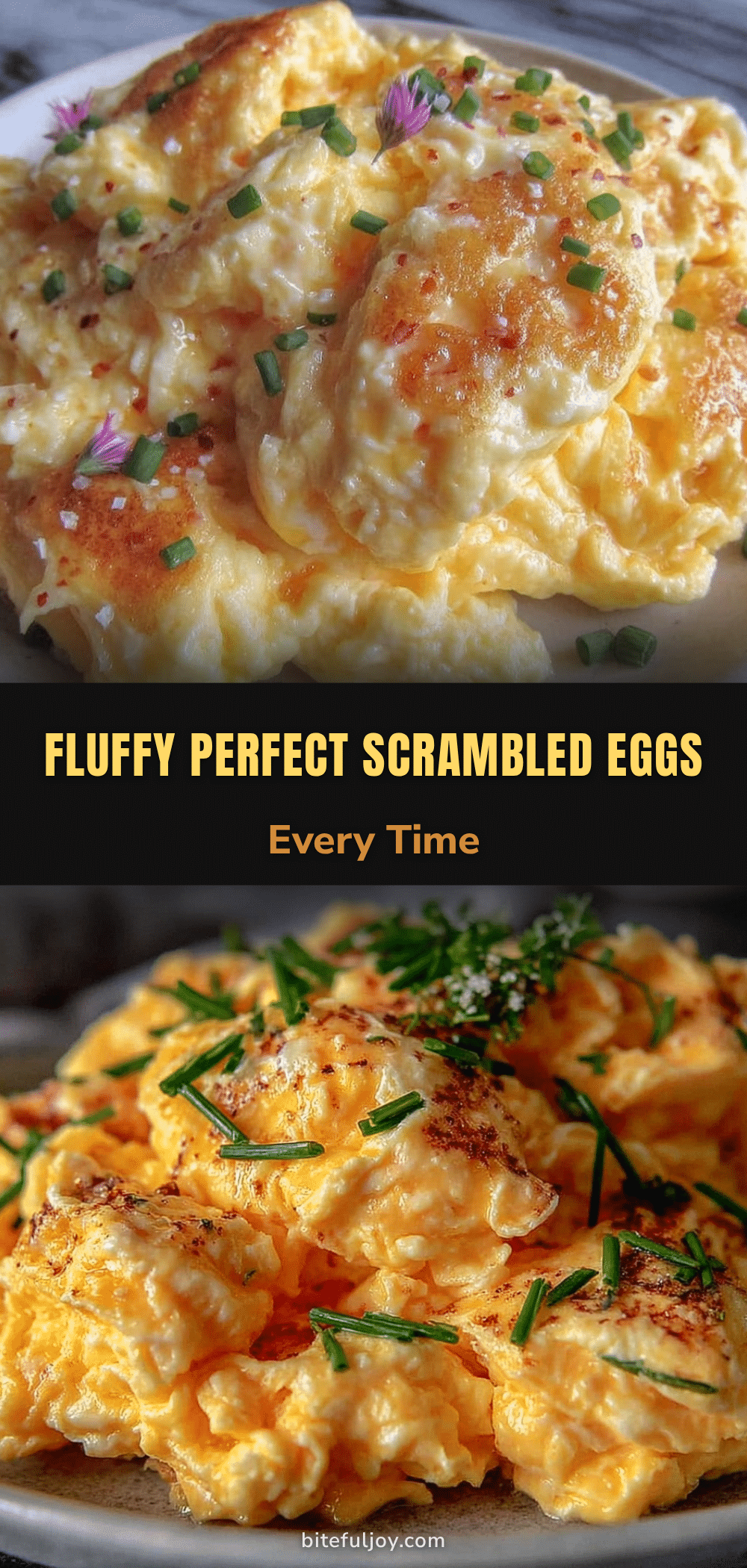
Fluffy Scrambled Eggs

A reliable recipe for soft, creamy scrambled eggs with a fluffy texture that never turns rubbery or watery. Perfect for quick breakfasts or leisurely brunches.
- Prep Time: 3 minutes
- Cook Time: 5 minutes
- Total Time: 8 minutes
- Yield: 2 servings 1x
- Category: Breakfast
- Cuisine: American
Ingredients
- 4 large eggs, room temperature
- 2 tablespoons whole milk or heavy cream (can substitute with dairy-free milk like oat or almond)
- 1 tablespoon unsalted butter
- Pinch of salt (preferably kosher salt)
- Freshly ground black pepper (optional)
- Fresh herbs like chives or parsley (optional, for garnish)
Instructions
- Crack 4 large eggs into a mixing bowl. Add 2 tablespoons of whole milk or heavy cream.
- Whisk vigorously for 1-2 minutes until the mixture is pale yellow and slightly frothy to incorporate air.
- Heat a nonstick 8-inch skillet over low to medium-low heat. Add 1 tablespoon of unsalted butter and let it melt completely without browning.
- Pour the egg mixture into the pan and let it sit undisturbed for about 20 seconds until edges start to set and center remains runny.
- Using a silicone spatula, gently push the eggs from the edges toward the center. Tilt the pan slightly so uncooked eggs flow to the edges. Repeat folding every 15-20 seconds.
- Keep the heat low throughout cooking. If eggs start sizzling or browning, reduce heat immediately.
- After 2-3 minutes of gentle folding, when eggs are mostly set but still moist and slightly glossy, remove the pan from heat.
- Season with a pinch of salt and freshly ground black pepper to taste. Garnish with fresh herbs if desired.
- Serve immediately for best texture.
Notes
Use room temperature eggs for even cooking. Cook on low heat and fold gently to avoid rubbery or watery eggs. Remove from heat slightly underdone as residual heat finishes cooking. For extra creaminess, stir in a teaspoon of crème fraîche or a small handful of grated cheese off the heat at the end. Dairy-free options include using almond or oat milk and adding a teaspoon of olive oil in the pan.
Nutrition
- Serving Size: 1/2 of recipe (2 egg
- Calories: 180
- Sugar: 1
- Sodium: 150
- Fat: 14
- Saturated Fat: 6
- Carbohydrates: 1
- Protein: 12
Keywords: fluffy scrambled eggs, creamy eggs, easy breakfast, soft scrambled eggs, brunch recipe, quick eggs