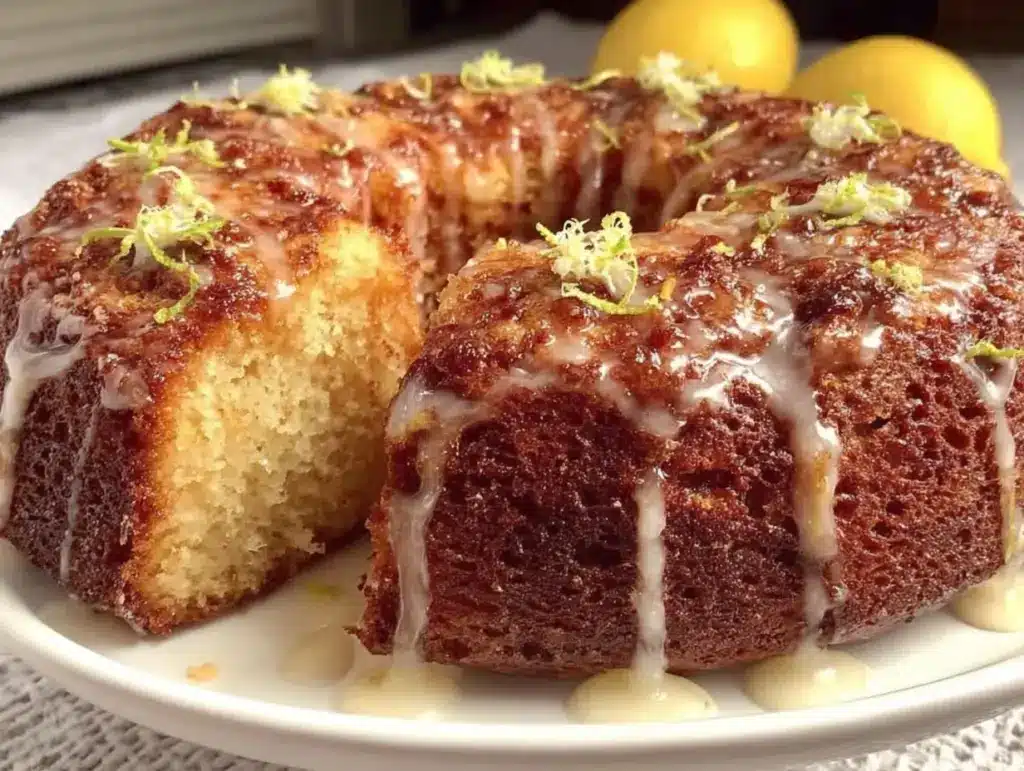
There’s just something magical about the scent of fresh lemon zest and sweet elderflower syrup mingling in the kitchen air—it’s the kind of aroma that makes you close your eyes, pause, and smile, knowing something wonderful is about to happen. The first time I pulled this Elderflower Lemon Drizzle Cake from the oven, the golden crust shimmered ever so slightly under a sugary, zesty glaze, and I was instantly hooked. You know those moments you want to bottle up forever, when a simple cake feels like the promise of spring? That’s this cake for me—a slice of sunshine on a plate, pure nostalgia wrapped in a tender crumb.
Years ago, when I was knee-high to a grasshopper, my grandmother would make lemon cakes for Sunday tea. She never measured exactly, just a pinch of this, a splash of that—always with a cheeky wink. Fast-forward to a rainy weekend, and I found myself craving that same lemony comfort, but with a little twist. I’d picked up a bottle of elderflower cordial on a whim (as you do), and let’s face it, it was begging to be baked into something special. That’s how this cake was born—out of curiosity, a craving for spring, and a dash of family tradition.
Honestly, it’s become such a staple in our house that my family can’t walk past the cooling rack without sneaking a piece. It’s dangerously easy to whip up, and the reaction is always the same: wide eyes, big smiles, and a chorus of “Can I have another slice?” This Elderflower Lemon Drizzle Cake is perfect for potlucks, afternoon teas, or to brighten up your Pinterest dessert board. It’s the cake I wish I’d discovered years ago—effortless, moist, and totally crowd-pleasing. I’ve tested it more times than I care to admit (in the name of research, of course), and every single time, it feels like a warm hug. Trust me, you’re going to want to bookmark this one for every spring gathering and rainy day craving.
Why You’ll Love This Elderflower Lemon Drizzle Cake
After many rounds of taste-tests, tweaks, and a few sunlit afternoons spent with a fork in hand (all in the name of perfection), I can say this Elderflower Lemon Drizzle Cake is the real deal. Here’s why this recipe stands out in my kitchen (and, I bet, soon in yours):
- Quick & Easy: You can have this cake in the oven in under 15 minutes—no fancy equipment, no complicated steps, just good old-fashioned mixing.
- Simple Ingredients: Everything you need is probably already in your pantry or fridge. No need to hunt down hard-to-find items, and you can even swap in a few things if you’re running low.
- Perfect for Every Occasion: Whether you’re hosting a brunch, packing a picnic, or just want a sweet treat to brighten up a workday, this cake fits right in. It’s light enough for spring but cozy enough for cooler days, too.
- Crowd-Pleaser: I’ve made this for both lemon-lovers and folks who claim not to like citrus, and everyone comes back for seconds. The elderflower adds a subtle floral note that surprises and delights.
- Unbelievably Delicious: The cake is moist (thanks to yogurt and just the right amount of syrup), the crumb is tender, and the zesty glaze is the kind that makes you want to lick the plate clean.
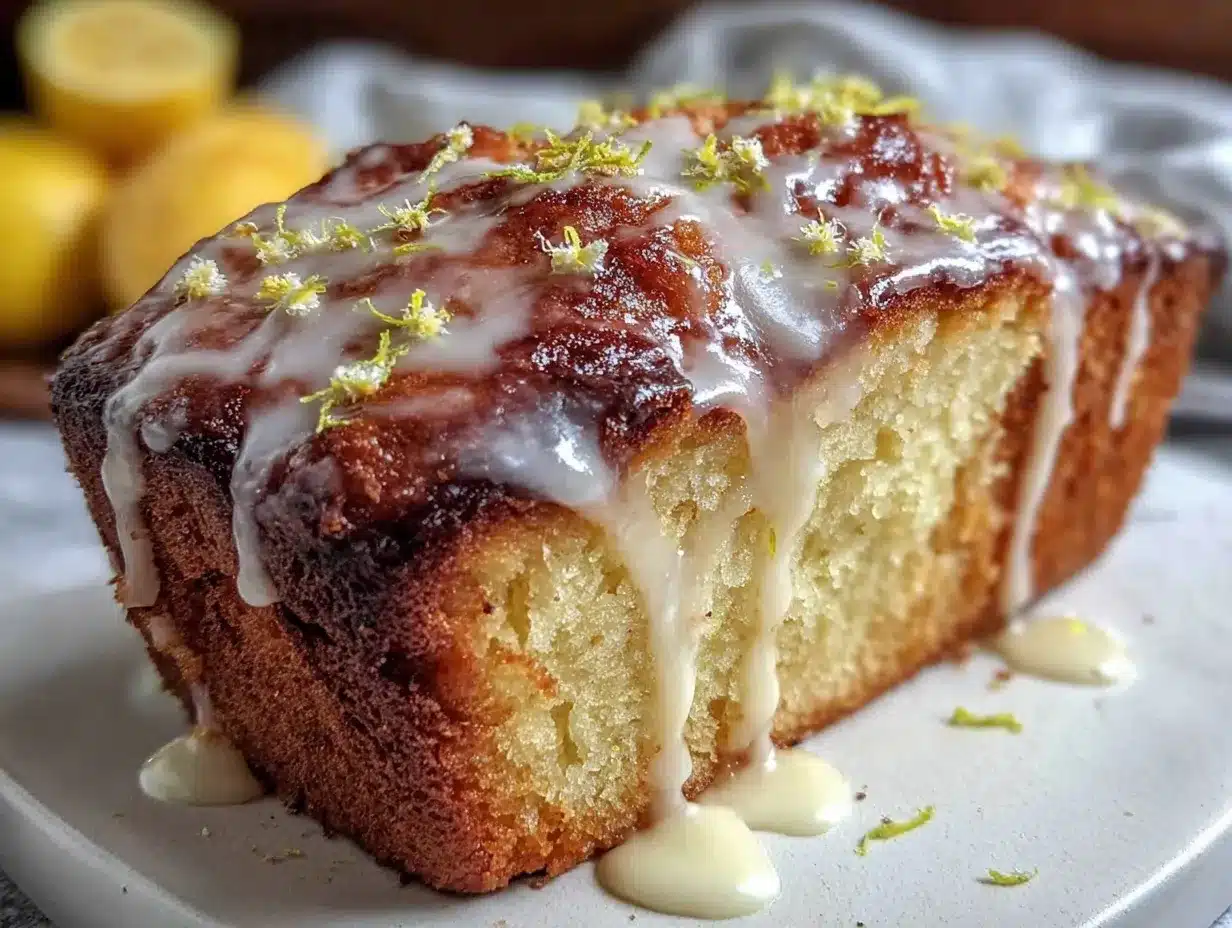
What sets this Elderflower Lemon Drizzle Cake apart is the little things—the way the elderflower syrup soaks into the warm cake, creating pockets of bright flavor, or how the glaze forms a thin, crisp layer on top. I blend the zest right into the batter for maximum lemony punch, and the yogurt keeps things light and moist without being dense. I’ve tried versions with sour cream, butter-only, and even swapped flours, but this combination nails it every single time.
This isn’t just another lemon cake. It’s the kind of recipe you’ll crave when you need a pick-me-up or want to impress guests without breaking a sweat. It’s comfort food, but with a floral, springtime twist—so easy to whip up that you’ll find yourself making it “just because.” After all, life’s too short for dry cake, right?
What Ingredients You Will Need
This Elderflower Lemon Drizzle Cake keeps things simple and fuss-free, with ingredients that work together to create layers of flavor and a dreamy texture. Here’s everything you’ll need (plus a few tips and swaps):
- For the Cake Batter:
- Unsalted butter, softened (115g / 1/2 cup) – gives the cake a rich, tender crumb. (I like to use Kerrygold when it’s on sale, but any good butter works!)
- Granulated sugar (200g / 1 cup) – for sweetness and structure.
- Large eggs, room temperature (3) – helps with lift and moisture.
- Plain whole-milk yogurt (120g / 1/2 cup) – keeps the cake super moist. Greek yogurt or sour cream are good swaps.
- Fresh lemon zest (from 2 lemons) – for that punchy citrus aroma.
- Fresh lemon juice (from 2 lemons, about 60ml / 1/4 cup) – tartness balances the sweetness.
- All-purpose flour (190g / 1 1/2 cups) – sifted for a lighter texture. For gluten-free, use a 1:1 GF blend.
- Baking powder (1 1/2 tsp) – for rise.
- Fine sea salt (1/4 tsp) – just a pinch to balance flavors.
- Elderflower cordial or syrup (2 tbsp) – I love Belvoir Farm, but use what you have. Adds a delicate floral note.
- Vanilla extract (1 tsp) – for warmth and depth.
- For the Elderflower Lemon Drizzle:
- Powdered sugar (120g / 1 cup) – for a smooth glaze.
- Fresh lemon juice (2–3 tbsp, adjust for desired consistency) – more zing!
- Elderflower cordial or syrup (1–2 tbsp) – enhances the floral flavor.
- Lemon zest (optional, for sprinkling on top) – makes it look and taste fresh.
Ingredient Notes & Swaps:
- No elderflower cordial? Try a splash of St-Germain liqueur or just use extra lemon juice (the flavor will be more classic lemon drizzle, but still delicious).
- Dairy-free? Swap the yogurt for a coconut or almond-based alternative, and use a vegan butter.
- Want extra tang? Add a spoonful of crème fraîche to the batter.
- For a lighter cake, you can use half cake flour, half all-purpose.
- If you’re short on lemons, bottled juice works in a pinch (just add extra zest if you can).
Honestly, you can play around with this recipe and it’ll still turn out great. That’s the beauty of cakes like this—they’re forgiving, flexible, and always tasty.
Equipment Needed
- 1 standard loaf pan (8.5×4.5 inches / 22x11cm) – nonstick if possible, but a well-buttered metal pan works great. I’ve also used a 9-inch round cake tin in a pinch—just watch the bake time!
- Mixing bowls – at least two, one for wet and one for dry ingredients.
- Hand mixer or stand mixer – makes creaming butter and sugar a breeze, but you can use a sturdy whisk and some elbow grease if you’re old-school like my grandma.
- Microplane or fine grater – for zesting lemons. A box grater works, but a microplane gets that fine, fragrant zest without the bitter pith.
- Rubber spatula – for folding in flour and scraping the bowl clean. (I’ve lost more spatulas to kids “taste-testing” the batter than I care to count!)
- Measuring cups and spoons – US and metric, for accuracy.
- Parchment paper – to line the loaf pan. Makes removal (and clean-up) so much easier.
- Wire cooling rack – helps the cake cool evenly.
- Small saucepan – for warming the drizzle, if needed.
If you don’t have a hand mixer, you can totally cream the butter and sugar by hand—just takes a bit more muscle and patience. For the loaf pan, I’ve used disposable foil pans (great for gifting) and they work fine, just keep an eye on the edges for browning. A tip for parchment: cut a long strip to hang over the sides, so you can lift the cake right out—no wrestling required. If you’re baking a lot, a good zester and a reliable digital scale are game-changers (worth every penny, trust me). And don’t forget to check your oven temperature with an oven thermometer—mine runs a little hot, so I always dial it back a few degrees.
Preparation Method
- Preheat & Prep:
- Heat your oven to 350°F (175°C). Grease your loaf pan with butter and line with parchment, letting the edges hang over for easy lifting later.
- Tip: If you forget to bring your eggs or butter to room temp, place them in a bowl of warm water for 10 minutes.
- Cream Butter & Sugar:
- In a large bowl, beat 115g (1/2 cup) unsalted butter with 200g (1 cup) granulated sugar using a hand mixer on medium speed, about 2–3 minutes, until pale and fluffy. The mixture should look creamy and light (almost like frosting).
- If mixing by hand, use a sturdy whisk and some determination—it’ll take a bit longer but it’s doable.
- Add Eggs & Wet Ingredients:
- Add 3 large eggs, one at a time, mixing well after each. Scrape down the sides as needed.
- Stir in 120g (1/2 cup) yogurt, 2 tablespoons elderflower cordial, 1 teaspoon vanilla extract, the zest from 2 lemons, and 60ml (1/4 cup) lemon juice. Mix until smooth—don’t worry if it looks a little curdled, it’ll come together when you add the flour.
- Combine Dry Ingredients:
- In a separate bowl, sift together 190g (1 1/2 cups) all-purpose flour, 1 1/2 tsp baking powder, and 1/4 tsp fine sea salt. Mixing these separately helps avoid lumps later.
- Fold & Finish Batter:
- Add the dry ingredients to the wet mixture in two batches, gently folding with a spatula until just combined. Avoid overmixing—stop as soon as you see the flour disappear. The batter should be thick but spreadable.
- If you see a few streaks of flour, that’s okay—they’ll disappear as you pour and smooth the batter in the pan.
- Transfer to Pan & Bake:
- Pour the batter into your prepared loaf pan and smooth the top. Tap the pan on the counter gently to release any air bubbles.
- Bake for 45–55 minutes, until golden and a skewer inserted in the center comes out clean or with a few moist crumbs. If the top is browning too quickly, tent loosely with foil after 35 minutes.
- Sensory cue: The kitchen should smell gloriously lemony and floral by now!
- Make the Elderflower Lemon Drizzle:
- While the cake bakes, sift 120g (1 cup) powdered sugar into a bowl. Stir in 2–3 tbsp lemon juice and 1–2 tbsp elderflower cordial, mixing until you have a thick but pourable glaze. Add more liquid for a thinner drizzle.
- If you like your glaze warm, heat gently in a small saucepan over low heat.
- Glaze the Cake:
- Let the cake cool in the pan for 10 minutes, then lift out using the parchment overhang and transfer to a wire rack set over a tray (for glaze drips).
- While still barely warm, poke the top of the cake all over with a skewer (for syrup to soak in). Spoon or pour the glaze evenly over the cake, letting it drip down the sides. Sprinkle with extra lemon zest if desired.
- Cool & Serve:
- Allow the cake to cool completely before slicing—if you can wait! The glaze will set into a shiny, slightly crisp shell.
- For neat slices, use a serrated knife and wipe between cuts.
Common issues: If your cake sinks, it might be underbaked or the batter was overmixed. If the glaze is too runny, add more sugar. Too thick? Loosen with a few drops of water or lemon juice. And if you’re impatient (like me), a warm slice is honestly heavenly—even if it’s a little crumbly!
Cooking Tips & Techniques
- Room Temperature Matters: Cold ingredients can cause the batter to separate or not rise as well. I once forgot and ended up with a dense cake—lesson learned! A quick soak in warm water for eggs and butter works in a pinch.
- Don’t Overmix: When you add flour, mix just until no dry spots remain. Overmixing develops gluten, making the cake tough instead of tender.
- Test for Doneness: Start checking at 45 minutes with a toothpick or skewer. Ovens vary—mine takes 50 minutes, but my neighbor’s is done at 42. Look for a golden top and a springy touch.
- Glazing While Warm: Pouring the elderflower lemon drizzle while the cake is still slightly warm helps it soak in and keeps the crumb moist. Cool too much, and the glaze just sits on top.
- Zesting Tips: Only scrape the yellow part of the lemon, not the bitter white pith. A microplane grater is your best friend here (I’ve tried box graters, but the zest gets stuck).
- Pan Prep: Even with a nonstick pan, parchment paper makes removal stress-free. Once, I skipped it and had to patch up a broken cake with extra glaze—tasty, but not Pinterest-worthy!
- Batch Testing: I sometimes double the recipe and bake in two pans side by side. Just rotate them halfway through for even browning.
- Let Flavors Develop: If you can wait, the floral and citrus notes deepen overnight. Honestly, leftovers (if you have any) taste even better the next day.
There’s no need to fuss, and little mistakes are part of the charm. One time I forgot the vanilla, and nobody noticed—so don’t worry, it’s a forgiving recipe!
Variations & Adaptations
- Gluten-Free: Swap the all-purpose flour for a 1:1 gluten-free baking blend (like Bob’s Red Mill). The crumb stays moist and no one will guess.
- Dairy-Free: Replace butter with a high-quality plant-based spread and use coconut yogurt or almond yogurt instead of dairy. The cake stays just as tender and fragrant.
- Seasonal Berries: Scatter fresh raspberries or blueberries on top of the batter before baking for a summer twist. The berries burst and add pops of color and flavor.
- Orange & Elderflower: For a sweeter, less tart cake, swap lemon zest and juice for orange. The floral notes pair beautifully with the orange’s gentle citrus.
- Herb Infusion: Add a teaspoon of finely chopped fresh thyme or rosemary to the batter for an earthy, spring-meadow vibe. I tried this for a garden party, and it was a hit!
- Liqueur Glaze: For adults, use St-Germain elderflower liqueur in the glaze instead of cordial. Adds a subtle grown-up kick.
- Bundt Cake Style: Bake in a small Bundt pan for a fancier presentation. Just adjust bake time—start checking at 35 minutes.
- Nut-Free: This cake is naturally nut-free, so it’s safe for most allergies as written. Always check your yogurt and cordial labels if allergies are a concern.
Honestly, my favorite variation is the berry version—lemon, elderflower, and sweet-tart berries are a match made in springtime heaven. Don’t be afraid to get creative and make it your own!
Serving & Storage Suggestions
This Elderflower Lemon Drizzle Cake is best served at room temperature, with the glaze set and the crumb perfectly moist. Slice thickly and serve as is, or dress it up with a dollop of whipped cream or a handful of fresh berries for a fancier dessert.
- On the Table: Place the whole loaf on a wooden board with a sharp knife for guests to help themselves. It’s a showstopper with its glossy glaze and flecks of zest.
- With Drinks: Pairs beautifully with a cup of Earl Grey tea, chamomile, or even a sparkling elderflower lemonade. For brunch, try it with prosecco and a few sprigs of mint.
- Storing: Wrap leftovers tightly in plastic wrap or store in an airtight container at room temperature for up to 3 days. The flavors deepen, and the texture stays soft.
- Freezing: Freeze unglazed cake (whole or sliced) wrapped in foil and a freezer bag for up to 2 months. Thaw at room temperature, then glaze before serving for best results.
- Reheating: If you want a warm slice, zap in the microwave for 10 seconds or warm in a low oven. The glaze will soften, but the cake stays moist.
- Make-Ahead: Bake the cake a day in advance; the elderflower and lemon flavors become even more vibrant overnight.
Honestly, it never lasts long enough in our house to worry about storage, but it’s good to know you can make it ahead for parties or surprise guests.
Nutritional Information & Benefits
Each slice (assuming 10 slices per loaf) of this Elderflower Lemon Drizzle Cake is approximately 250 calories, with about 10g fat, 36g carbohydrates, and 4g protein.
- Lemon: Full of vitamin C and antioxidants, lemons offer a little immune boost and a whole lot of flavor.
- Yogurt: Adds calcium, protein, and probiotics—plus it keeps the cake tender without extra fat.
- Customizable for Dietary Needs: Easily adaptable for gluten-free or dairy-free diets with simple swaps (see Variations above).
- Allergen Note: Contains eggs, dairy, and gluten as written. Use the suggested swaps for allergies.
Personally, I love that this cake feels like a treat but isn’t overly rich or heavy. It’s a sweet way to bring a bit of springtime to the table, and you can always tweak the sugar to your taste or dietary needs.
Conclusion
If you’re searching for a cake that’s as easy to make as it is beautiful, this Elderflower Lemon Drizzle Cake just might be your new go-to. It’s the kind of recipe that makes you look like a baking genius (with minimal fuss), and the burst of citrus and floral notes will have everyone reaching for seconds. Whether you serve it for brunch, afternoon tea, or as a “just because” treat, there’s something genuinely comforting and joyful about this cake.
Don’t be afraid to tweak it—try berries, swap in oranges, or play with the glaze. Baking should be fun, and this recipe is forgiving enough to let you make it your own. I come back to it time and again because it’s nostalgic, delicious, and just plain happy.
I’d love to hear how yours turns out! Drop a comment below, share your favorite variation, or tag me so I can see your gorgeous cakes. Here’s to more moments of lemony, elderflower-scented joy—one slice at a time.
FAQs About Elderflower Lemon Drizzle Cake
Can I make this Elderflower Lemon Drizzle Cake without elderflower cordial?
Yes! Just use extra lemon juice in place of the cordial. The cake will be a classic lemon drizzle—still moist and delicious, just without the floral note.
How do I know when my cake is done baking?
Insert a toothpick or skewer into the center. If it comes out clean or with just a few crumbs, your cake is ready. The top should be golden and springy to the touch.
Can I freeze this cake?
Absolutely. For best results, freeze the cake without glaze, wrapped tightly. Thaw at room temperature and glaze before serving for that fresh finish.
What if I don’t have yogurt—what can I use instead?
Sour cream, crème fraîche, or a thick plant-based yogurt all work well. The goal is a creamy, tangy ingredient to keep the crumb moist.
Can I make this cake ahead for a party?
Yes! In fact, making it a day ahead lets the flavors develop even more. Store covered at room temperature, and glaze just before serving for the prettiest presentation.
Pin This Recipe!

Elderflower Lemon Drizzle Cake

A moist, tender lemon cake infused with elderflower syrup and topped with a zesty, floral glaze. This easy spring dessert is perfect for brunch, afternoon tea, or any occasion that calls for a slice of sunshine.
- Prep Time: 15 minutes
- Cook Time: 45–55 minutes
- Total Time: 1 hour 10 minutes
- Yield: 10 servings 1x
- Category: Dessert
- Cuisine: British
Ingredients
- 1/2 cup (115g) unsalted butter, softened
- 1 cup (200g) granulated sugar
- 3 large eggs, room temperature
- 1/2 cup (120g) plain whole-milk yogurt (Greek yogurt or sour cream can be substituted)
- Zest from 2 lemons
- 1/4 cup (60ml) fresh lemon juice
- 1 1/2 cups (190g) all-purpose flour, sifted
- 1 1/2 teaspoons baking powder
- 1/4 teaspoon fine sea salt
- 2 tablespoons elderflower cordial or syrup
- 1 teaspoon vanilla extract
- For the drizzle:
- 1 cup (120g) powdered sugar
- 2–3 tablespoons fresh lemon juice
- 1–2 tablespoons elderflower cordial or syrup
- Lemon zest (optional, for sprinkling on top)
Instructions
- Preheat oven to 350°F (175°C). Grease a standard loaf pan (8.5×4.5 inches) and line with parchment paper, letting edges hang over for easy removal.
- In a large bowl, beat butter and sugar with a hand mixer on medium speed for 2–3 minutes until pale and fluffy.
- Add eggs one at a time, mixing well after each addition. Scrape down the sides as needed.
- Stir in yogurt, elderflower cordial, vanilla extract, lemon zest, and lemon juice. Mix until smooth (batter may look slightly curdled).
- In a separate bowl, sift together flour, baking powder, and salt.
- Add dry ingredients to wet mixture in two batches, gently folding with a spatula until just combined. Do not overmix.
- Pour batter into prepared loaf pan and smooth the top. Tap pan gently to release air bubbles.
- Bake for 45–55 minutes, until golden and a skewer inserted in the center comes out clean or with a few moist crumbs. Tent with foil after 35 minutes if browning too quickly.
- While cake bakes, sift powdered sugar into a bowl. Stir in lemon juice and elderflower cordial until you have a thick but pourable glaze. Adjust consistency as needed.
- Let cake cool in pan for 10 minutes, then lift out using parchment and transfer to a wire rack.
- While cake is still warm, poke top all over with a skewer. Spoon or pour glaze evenly over cake, letting it drip down the sides. Sprinkle with extra lemon zest if desired.
- Allow cake to cool completely before slicing. For neat slices, use a serrated knife and wipe between cuts.
Notes
For gluten-free, use a 1:1 GF flour blend. Dairy-free swaps include plant-based butter and coconut or almond yogurt. Glaze while cake is warm for best absorption. Let flavors develop overnight for even better taste. Add berries or herbs for seasonal variations.
Nutrition
- Serving Size: 1 slice (1/10 of loa
- Calories: 250
- Sugar: 24
- Sodium: 120
- Fat: 10
- Saturated Fat: 6
- Carbohydrates: 36
- Fiber: 1
- Protein: 4
Keywords: elderflower, lemon, drizzle cake, spring dessert, easy cake, moist cake, brunch, tea cake, floral cake, loaf cake