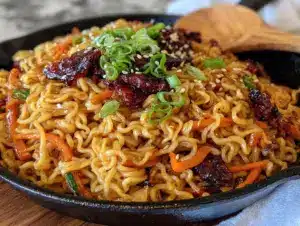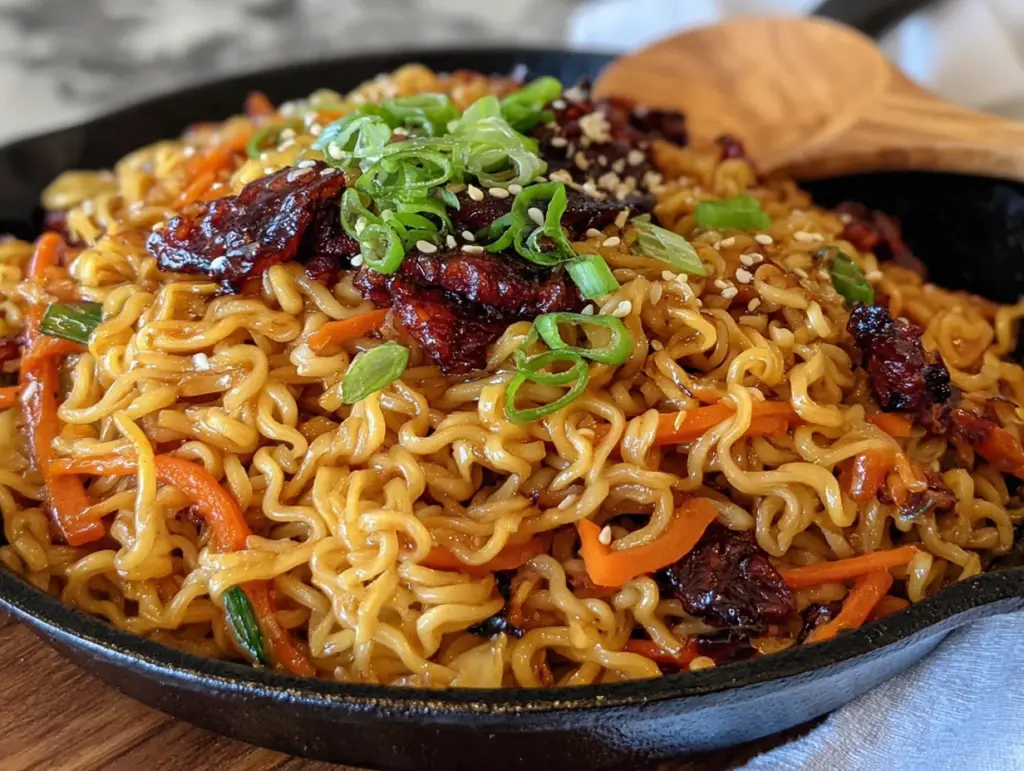
Staring at a sad packet of instant ramen and a wilting handful of frozen vegetables at 10 PM on a Tuesday. My first semester of college, and I was already tired of the dining hall mystery meat. My stomach was growling, my wallet was empty, and that little plastic-wrapped brick of noodles was my only hope. But I couldn’t do the same boring bowl of soup again. So, I did what any hungry, slightly desperate student would do—I grabbed my trusty non-stick pan, threw caution (and a few pantry odds and ends) to the wind, and made the best culinary mistake of my life. That night, the Easy One-Pan Dorm Room Ramen Stir-Fry was born.
Honestly, it was a game-changer. The noodles got crispy on the edges, the sauce clung to every strand, and I had a real dinner in under fifteen minutes. No microwave beeps, no sad broth. Just a hot, satisfying meal that felt way more grown-up than it had any right to be. It was the first time I actually felt like I could cook for myself, you know? And that feeling stuck with me. This isn’t just a recipe—it is the solution to late-night hunger pangs, the answer to “what’s for dinner when there’s nothing in the fridge,” and the proof that you don’t need a fancy kitchen to eat well.
Why You’ll Love This Recipe
This isn’t your average dorm room meal. This is the recipe I tested on my skeptical roommate, who then asked me to make it three nights in a row. It is the recipe that got me through finals week without ordering takeout. Let me tell you why this one is different.
- Quick & Easy : From start to finish, we are talking 15 minutes. Seriously. It is faster than delivery and cheaper than a vending machine snack. Perfect for those nights when you are hangry and need food now.
- Simple Ingredients : You probably have everything you need already. Ramen noodles, a few pantry staples, and whatever veggies are hanging out in your freezer or fridge. No fancy grocery trips necessary—this is cooking from what you have.
- Perfect for Late-Night Cravings : Whether it is a study break, a post-class hunger attack, or a lazy Sunday dinner, this stir-fry hits the spot. It is satisfying without being heavy, and it feels like a real meal, not a sad snack.
- Crowd-Pleaser : I have made this for friends who claimed they “couldn’t cook,” and they crushed it. It is forgiving, adaptable, and always gets devoured. Even picky eaters love the saucy, savory noodles.
- Unbelievably Delicious : The secret is in the sauce and the technique. You get these slightly crispy, chewy noodles coated in a glossy, savory-sweet sauce that is way more complex than it has any right to be. It is comfort food, upgraded.
What makes this version stand out is the method. Instead of just boiling the noodles and tossing them with sauce, we cook them directly in the pan with a little liquid, letting them soak up flavor while getting those irresistible crispy bits. It is the difference between good ramen and great ramen. Plus, it is a one-pan wonder, which means less cleanup. And honestly, in a dorm or small apartment, that is a huge win.
What Ingredients You Will Need
This recipe is built on simple, humble ingredients that come together to create something genuinely delicious. The beauty of it is that you can adapt based on what you have on hand. Here is what you will need to get started.
- Instant Ramen Noodles (2 packets): The star of the show. Discard or save the seasoning packets for another use. I prefer the classic Maruchan or Nissin brands for their texture. They hold up perfectly to the stir-fry method without getting mushy.
- Frozen Mixed Vegetables (1 cup): This is the ultimate dorm room hack. A bag of frozen peas, carrots, corn, and green beans is a lifesaver. No chopping, no waste. You can also use fresh veggies if you have them. (Pro tip: A handful of frozen broccoli florets works great too.)
- Vegetable or Canola Oil (1 tablespoon): For sautéing. You need an oil with a high smoke point to get that nice sear on the veggies and noodles. Olive oil will work in a pinch, but vegetable oil is more neutral.
- Soy Sauce (2 tablespoons): The backbone of the savory flavor. Low-sodium soy sauce is great if you are watching your salt intake. For a gluten-free option, use tamari or coconut aminos.
- Brown Sugar (1 tablespoon): This balances the saltiness of the soy sauce and adds a touch of caramelization. You can substitute with honey, maple syrup, or even a bit of white sugar in a pinch.
- Rice Vinegar (1 teaspoon): A tiny splash of acidity brightens everything up. If you don’t have rice vinegar, a squeeze of fresh lime juice or a dash of regular white vinegar works wonders.
- Sesame Oil (1 teaspoon): This is optional, but it adds that classic, nutty stir-fry aroma that takes the dish from good to amazing. A little goes a long way.
- Garlic Powder (1/2 teaspoon) & Ginger Powder (1/4 teaspoon): Fresh garlic and ginger are always better, but in a dorm room scenario, the powdered versions are your best friend. They are shelf-stable and add essential flavor without any prep work.
- Optional Add-ins: A scrambled egg stirred in at the end makes it a heartier meal. A sprinkle of red pepper flakes adds heat. Leftover cooked chicken, shrimp, or tofu are fantastic protein boosts.
Equipment Needed
The beauty of this recipe is its simplicity. You don’t need a full kitchen arsenal to make it happen. Here is the bare minimum you will need.
- Large Non-Stick Skillet or Frying Pan (10-12 inch): This is non-negotiable. A non-stick surface is crucial for getting those crispy noodle edges without a sticky mess. I used a cheap one from a department store for years, and it worked perfectly. Just make sure it has high sides to prevent the noodles from jumping out.
- Wooden Spoon or Silicone Spatula: For stirring and tossing the noodles. A metal spatula can scratch your non-stick pan, so stick with something gentle.
- Measuring Spoons: Eyeballing is fine once you know the recipe, but for your first time, measuring spoons help get the sauce balance right.
- Small Bowl: To whisk together your sauce ingredients before adding them to the pan. This helps everything incorporate evenly.
- Knife and Cutting Board (Optional): Only needed if you are using fresh vegetables or adding fresh garlic/ginger. If you are using frozen veggies, you can skip this entirely.
If you don’t have a non-stick pan, you can use a well-seasoned cast iron skillet, but be prepared to use a little more oil and watch the heat carefully to prevent sticking. Honestly, the non-stick route is just easier and more forgiving for this kind of recipe.
Preparation Method
Alright, let’s get cooking! This whole process takes about 15 minutes from start to finish. Trust the process, and you will have a restaurant-worthy meal in no time.
- Prep the Noodles (2 minutes): While the pan heats up, break the blocks of ramen noodles into smaller pieces right inside their packaging. You want bite-sized chunks, not crumbs. Set them aside. Do not cook them yet!
- Make the Sauce (1 minute): In your small bowl, whisk together the soy sauce, brown sugar, rice vinegar, sesame oil (if using), garlic powder, and ginger powder. Stir until the sugar is mostly dissolved. Set this aside too.
- Sauté the Veggies (3 minutes): Place your non-stick skillet over medium-high heat. Add the vegetable oil and let it get hot—about 30 seconds. Toss in the frozen vegetables (no need to thaw them first) and cook for 2-3 minutes, stirring occasionally. You want them to be heated through and starting to get a little color on the edges.
- Add the Noodles (1 minute): Push the veggies to one side of the pan. Add the dry, broken ramen noodles in an even layer. Let them sit for about 30 seconds to start toasting. Then, pour in about 1/2 cup of water. The water will immediately start to steam and sizzle.
- Cook the Noodles (4-5 minutes): Stir everything together—noodles, veggies, and water. Spread it out into an even layer. Let it cook undisturbed for about 2 minutes. You will see the water absorb and the noodles soften. Then, give it a good stir and let it cook for another 2-3 minutes. The goal is for the noodles to be tender but still have a little chew, with some crispy golden-brown bits forming on the bottom.
- Add the Sauce (1 minute): Pour the prepared sauce over the noodles and veggies. Stir quickly to coat everything evenly. The sauce will sizzle and thicken almost immediately, glazing the noodles beautifully.
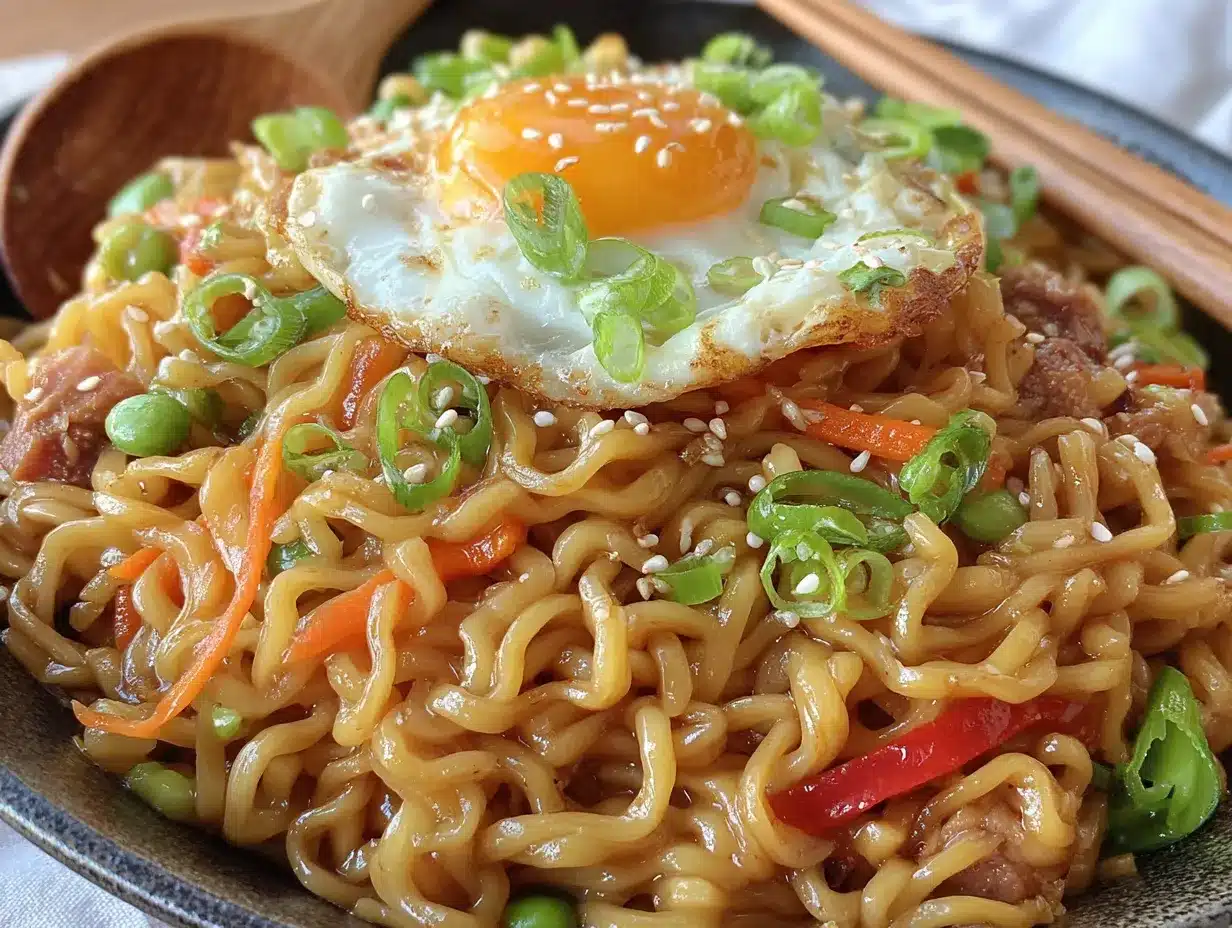
- Finish and Serve (1 minute): If you are adding a scrambled egg, push the noodles to the side, crack the egg into the empty space, and scramble it quickly with your spatula. Once it is cooked, mix it into the noodles. Remove the pan from the heat. Give it one final stir, and serve immediately. Garnish with a sprinkle of sesame seeds or sliced green onions if you are feeling fancy.
Sensory Cue: When the noodles are ready, they should look glossy and slightly sticky. You will hear a gentle sizzle as the sauce hits the pan, and the aroma will be savory, sweet, and deeply satisfying. The edges of the noodles should have some browned, crispy patches.
Cooking Tips & Techniques
After making this recipe dozens of times, I have learned a few tricks that make a huge difference. Let me save you from my early mistakes.
- Don’t Overcook the Noodles: The biggest rookie mistake is letting the noodles get mushy. You want them to have a slight bite (al dente). Cook them just until the water is absorbed and they are tender, then add the sauce immediately. If you let them sit in the water too long, you will end up with a pasty mess.
- Get That Pan Hot: Medium-high heat is your friend here. It creates steam to cook the noodles and then evaporates quickly, allowing the noodles to get those crispy edges. If your heat is too low, the noodles will just steam and stay soft.
- Use the Right Amount of Water: You don’t need to boil the noodles separately. 1/2 cup of water is the magic number for two packets of ramen. It is enough to rehydrate them without making them soggy. If you are making a single serving, use about 1/4 cup of water.
- Let the Noodles Rest: After you add the water, resist the urge to stir constantly. Letting the noodles sit undisturbed for a minute or two allows them to develop those coveted crispy bits on the bottom. It is the same principle as getting a good sear on a steak.
- Double the Sauce for Extra Flavor: If you like your stir-fry extra saucy, feel free to multiply the sauce ingredients by 1.5. Just be careful not to make it too salty. You can always add more, but you can’t take it away.
I once made this while super distracted and accidentally added the sauce before the noodles were fully cooked. The result was a sticky, undercooked mess. I had to add more water and start over. Learn from my mistakes—let the noodles cook first, then add the sauce!
Variations & Adaptations
This recipe is a blank canvas. Here are some of my favorite ways to switch it up, depending on what I am craving or what I have in the pantry.
- Spicy Gochujang Version: Add 1 tablespoon of gochujang (Korean chili paste) to the sauce mixture. It adds a deep, fermented heat that is absolutely incredible. Top with a soft-boiled egg and some kimchi for a next-level meal. This is my personal favorite variation.
- Peanut Butter Ramen (Satay Style): Whisk 1 tablespoon of creamy peanut butter into the sauce before adding it to the pan. It creates a rich, nutty, and slightly sweet sauce that coats the noodles beautifully. Add some shredded carrots and fresh cilantro on top.
- Simple Teriyaki Twist: Replace the soy sauce and brown sugar with 3 tablespoons of store-bought teriyaki sauce. It simplifies the recipe even further and gives you that classic, sweet-savory teriyaki flavor. Toss in some canned pineapple chunks for a tropical touch.
- Protein-Packed Version: Add 1/2 cup of leftover cooked chicken, shredded pork, or crumbled tofu along with the veggies. For a quick protein boost, stir in a scrambled egg or two at the end, as mentioned in the main recipe.
- Vegetable-Loaded Version: Go heavy on the veggies! Use a bag of frozen stir-fry mix instead of just the standard mixed vegetables. You can also add fresh mushrooms, bell peppers, or bok choy if you have them on hand.
Serving & Storage Suggestions
This dish is best enjoyed fresh, right out of the pan, while the noodles are still slightly crispy and the sauce is glossy. But I know life happens, and you might have leftovers.
Serving: Serve the stir-fry hot, straight from the pan into a bowl. It is a complete meal on its own, but you can pair it with some grilled shrimp skewers for extra protein, or a simple side of steamed edamame. For a fun presentation, garnish with sesame seeds, sliced green onions, or a drizzle of sriracha.
Storage: Store any leftovers in an airtight container in the refrigerator for up to 2 days. The noodles will soften significantly as they sit, so don’t expect them to be as crispy the next day. The flavor will actually meld and deepen, which is a nice bonus.
Reheating: The best way to reheat is in a non-stick skillet over medium heat with a tiny splash of water or soy sauce. Toss it around until it is heated through. The microwave will work in a pinch, but it will make the noodles even softer. I don’t recommend freezing this dish, as the texture of the noodles will become mushy upon thawing.
Nutritional Information & Benefits
While this is definitely a comfort food, it can be part of a balanced diet, especially when you load it up with veggies and lean protein. Here is an approximate breakdown per serving (based on the basic recipe without add-ins).
| Nutrient | Amount Per Serving |
|---|---|
| Calories | ~380 |
| Total Fat | 14g |
| Saturated Fat | 3g |
| Sodium | ~1200mg |
| Total Carbohydrates | 52g |
| Dietary Fiber | 4g |
| Sugar | 8g |
| Protein | 8g |
Health Benefits: The frozen vegetables provide a good dose of fiber, vitamins A and C. If you add an egg or leftover chicken, you boost the protein content significantly, making it a more satiating meal. To lower the sodium, use low-sodium soy sauce or tamari and reduce the amount of seasoning you add. This is a great, affordable way to get a vegetable-rich meal on the table in minutes.
Conclusion
This Easy One-Pan Dorm Room Ramen Stir-Fry is more than just a recipe—it is a survival skill. It is proof that you don’t need a gourmet kitchen, a big budget, or hours of time to eat something genuinely tasty and satisfying. It is the meal I turn to when I am tired, busy, or just craving something comforting and fast. It has saved me from countless sad takeout orders and empty-pantry panics.
I really hope you give this a try. Customize it, mess with it, make it your own. That is the whole point. And when you do, I would love to hear about it! Drop a comment below and tell me what variation you tried, or share a photo of your creation. Your version might just inspire someone else’s dinner tonight. Happy cooking, friend!
Frequently Asked Questions
Can I use a different type of noodle?
Absolutely! While instant ramen is the star here, you can use any quick-cooking noodle. Udon noodles, soba noodles, or even spaghetti broken into smaller pieces will work. Just adjust the cooking time and water amount based on the noodle type. Thicker noodles will need a little more water and time.
How can I make this recipe gluten-free?
It is easy to adapt! Simply use gluten-free ramen noodles or rice noodles. Swap the soy sauce for tamari or coconut aminos, which are both gluten-free. Make sure your other ingredients, like the seasoning powders, are certified gluten-free as well.
What if I don’t have frozen vegetables?
No problem at all! Use any fresh vegetables you have on hand. Thinly sliced bell peppers, shredded carrots, chopped broccoli, or sliced mushrooms all work beautifully. Just sauté them a few minutes longer until they are tender-crisp before adding the noodles.
Can I make this in a microwave?
While the one-pan method is ideal, you can adapt it for a microwave in a pinch. Cook the noodles in a bowl with water for 2-3 minutes. Drain most of the water, then stir in the frozen veggies and sauce. Microwave for another 1-2 minutes until everything is hot. The texture won’t be as good, and you will miss out on the crispy edges, but it will work in a bind.
How do I prevent the noodles from sticking to the pan?
The key is using a good non-stick pan and enough oil. Make sure your pan is hot before adding the oil and noodles. If you find the noodles are sticking, you can add a splash more water or oil. Also, don’t let the pan sit on high heat for too long without stirring once the water has evaporated.
Pin This Recipe!
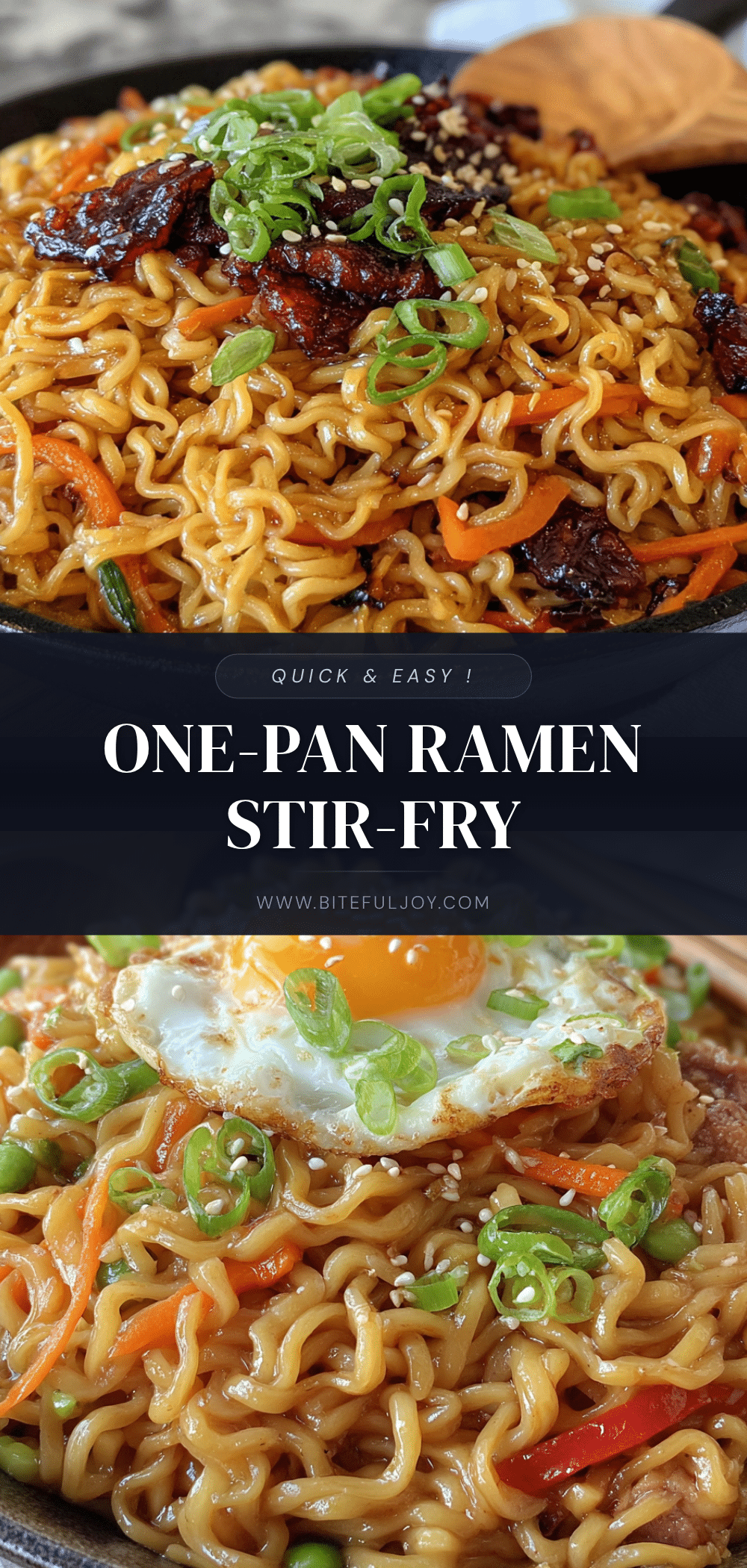
Easy One-Pan Ramen Stir-Fry: Best Dorm Room Dinner

A quick, 15-minute stir-fry made with instant ramen, frozen vegetables, and a savory-sweet sauce. Perfect for late-night cravings or a budget-friendly meal.
- Prep Time: 5 minutes
- Cook Time: 10 minutes
- Total Time: 15 minutes
- Yield: 2 servings 1x
- Category: Main Course
- Cuisine: Asian-inspired
Ingredients
- 2 packets instant ramen noodles (seasoning packets discarded)
- 1 cup frozen mixed vegetables (peas, carrots, corn, green beans)
- 1 tablespoon vegetable or canola oil
- 2 tablespoons soy sauce (low-sodium if desired)
- 1 tablespoon brown sugar
- 1 teaspoon rice vinegar
- 1 teaspoon sesame oil (optional)
- 1/2 teaspoon garlic powder
- 1/4 teaspoon ginger powder
- 1/2 cup water
Instructions
- Break the ramen noodles into bite-sized pieces inside the packaging. Set aside.
- In a small bowl, whisk together soy sauce, brown sugar, rice vinegar, sesame oil (if using), garlic powder, and ginger powder until sugar is mostly dissolved. Set aside.
- Heat a large non-stick skillet over medium-high heat. Add vegetable oil and let it get hot, about 30 seconds.
- Add frozen vegetables (no need to thaw) and cook for 2-3 minutes, stirring occasionally, until heated through and starting to brown.
- Push vegetables to one side of the pan. Add dry broken ramen noodles in an even layer. Let them toast for about 30 seconds.
- Pour 1/2 cup water into the pan. Stir everything together and spread into an even layer. Cook undisturbed for 2 minutes, then stir and cook another 2-3 minutes until noodles are tender with some crispy bits.
- Pour the prepared sauce over the noodles and vegetables. Stir quickly to coat evenly. The sauce will thicken immediately.
- If adding a scrambled egg, push noodles to the side, crack egg into the empty space, scramble, then mix into noodles. Remove from heat and serve immediately.
Notes
For extra flavor, double the sauce. Let noodles rest undisturbed to develop crispy bits. Add protein like scrambled egg, chicken, or tofu for a heartier meal.
Nutrition
- Serving Size: 1 serving (half of r
- Calories: 380
- Sugar: 8
- Sodium: 1200
- Fat: 14
- Saturated Fat: 3
- Carbohydrates: 52
- Fiber: 4
- Protein: 8
Keywords: ramen stir-fry, dorm room dinner, easy ramen recipe, one-pan meal, quick dinner, budget-friendly, college meal