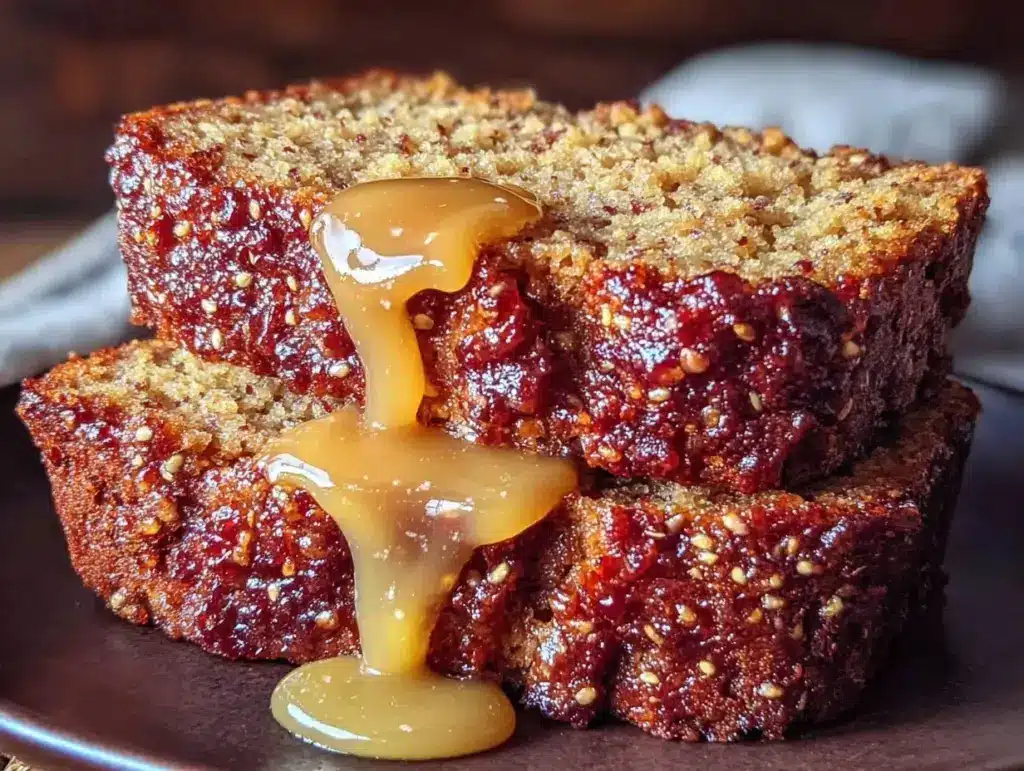
Let me tell you, the moment you slice into a fresh loaf of Rustic Irish Brown Bread with molasses, the aroma alone will wrap around you like a warm, woolen blanket on a chilly day. The deep, earthy scent of toasted grains mingled with the sweet, slightly smoky molasses is enough to make anyone’s mouth water before that first bite. The crumb is dense yet tender, with just enough chew to remind you that this is honest-to-goodness bread, the kind that sticks with you.
The first time I baked this Rustic Irish Brown Bread, I was instantly hooked. I remember standing there, loaf in hand, that kind of moment where you pause, take a deep breath, and just smile because you know you’re onto something truly special. It wasn’t just bread; it felt like a cozy story, a tradition I wanted to share with everyone I knew.
Years ago, when I was knee-high to a grasshopper, my grandmother used to make this kind of bread on rainy weekends. She’d hum old Irish tunes as the molasses bubbled gently in the pot, filling the kitchen with comfort. I stumbled upon this recipe while digging through her worn recipe box—honestly, I wish I’d discovered it sooner. Since then, my family couldn’t stop sneaking slices off the cooling rack (and I can’t really blame them!).
This Rustic Irish Brown Bread with molasses is dangerously easy to make and offers pure, nostalgic comfort. Perfect for brightening up your Pinterest cookie board or for a sweet treat alongside your morning tea, this loaf is a staple for family gatherings and cozy nights in. Trust me, you’re going to want to bookmark this one.
Why You’ll Love This Recipe
Honestly, this Rustic Irish Brown Bread recipe has become one of my go-to bakes, and here’s why you’ll love it just as much as I do:
- Quick & Easy: Comes together in under an hour, perfect for busy weeknights or last-minute bread cravings.
- Simple Ingredients: No need for fancy or hard-to-find items; most are pantry staples you probably already have.
- Perfect for Cozy Occasions: Great for breakfast, afternoon tea, or as a hearty side for soups and stews.
- Crowd-Pleaser: Always gets rave reviews from kids and adults alike, even the pickiest eaters.
- Unbelievably Delicious: The combination of nutty whole wheat with just a hint of molasses sweetness makes for a loaf that’s comforting and distinctive.
This isn’t just any brown bread. What sets it apart? The molasses adds a rich depth that balances the hearty flours, while a dash of baking soda gives it a lightness you might not expect. I’ve tried versions that skip the molasses or use only white flour, but honestly, they don’t hold up to this one. It’s the kind of bread that makes you close your eyes after the first bite, savoring the perfect blend of rustic texture and sweet undertones.
Whether you’re impressing guests or simply treating yourself, this bread turns everyday moments into something memorable without any fuss.
What Ingredients You Will Need
This Rustic Irish Brown Bread recipe uses simple, wholesome ingredients to create bold flavor and satisfying texture without the fuss. Most of these items are pantry staples, and substitutions are easy if needed.
- Whole wheat flour (2 cups / 240g) – I prefer King Arthur for its consistent grind and flavor.
- All-purpose flour (1 cup / 120g) – Adds lightness; Bob’s Red Mill works great here.
- Baking soda (1 teaspoon) – Essential for that characteristic rise and tender crumb.
- Salt (1 teaspoon) – Enhances flavor; use sea salt for a subtle mineral touch.
- Molasses (3 tablespoons) – The star ingredient, giving this bread its signature sweetness and deep color. Blackstrap molasses offers a robust flavor, but mild molasses works well too.
- Buttermilk (1 ¾ cups / 420ml) – Provides tang and moisture; if you don’t have buttermilk, mix 1 ¾ cups milk with 1 tablespoon lemon juice and let sit 5 minutes.
- Unsalted butter (2 tablespoons, melted) – Adds richness and keeps the bread tender. Feel free to swap with coconut oil for a dairy-free option.
Feel free to swap out ingredients if needed: use almond flour for gluten-free baking (though texture will be denser), or swap the buttermilk for a plant-based yogurt mixed with water for a vegan twist. Just keep in mind that molasses is key for that authentic Irish flavor—don’t skip it!
Equipment Needed
- Large mixing bowl: For combining your flours and dry ingredients.
- Medium bowl: To mix wet ingredients like buttermilk and molasses.
- Wooden spoon or sturdy spatula: For mixing the dough—honestly, this dough is thick and sticky, so a strong spoon helps.
- Loaf pan (8×4 inch / 20×10 cm): For shaping the bread. You can also shape it freeform on a baking sheet if you want a more rustic look.
- Measuring cups and spoons: Accuracy helps, especially for baking soda and molasses!
- Cooling rack: To let your bread cool evenly (trust me, patience here is worth it).
If you don’t have a loaf pan, a cast-iron skillet works beautifully and adds a nice crust. For budget-friendly options, silicone loaf pans are easy to clean and last forever. I’ve used everything from vintage aluminum pans to modern non-stick, and each brings a slightly different crust character. Just remember to grease your pan well or line it with parchment paper to avoid sticking.
Preparation Method
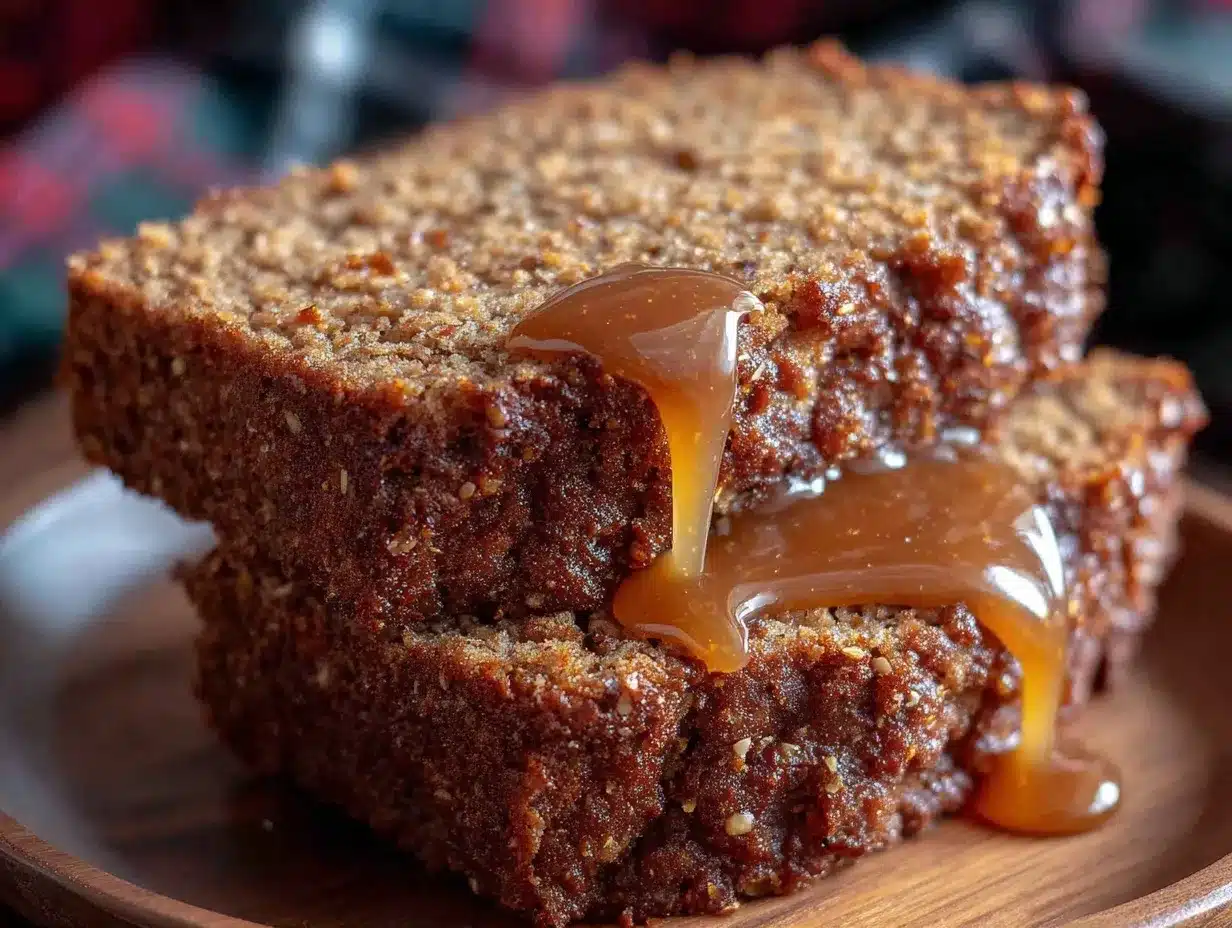
- Preheat your oven to 375°F (190°C). Position the rack in the center to allow even baking. Grease your loaf pan or line it with parchment paper.
- In a large bowl, whisk together 2 cups (240g) whole wheat flour, 1 cup (120g) all-purpose flour, 1 teaspoon baking soda, and 1 teaspoon salt. Mixing the dry ingredients well ensures an even rise and flavor throughout the loaf.
- In a separate medium bowl, combine 1 ¾ cups (420ml) buttermilk, 3 tablespoons molasses, and 2 tablespoons melted unsalted butter. Whisk until the molasses is fully incorporated. You’ll notice a beautiful dark amber color here—that’s your flavor base.
- Pour the wet ingredients into the dry ingredients. Using a wooden spoon or sturdy spatula, gently stir until just combined. The dough will be thick and sticky—don’t overmix! Overworking can make the bread tough.
- Transfer the dough into your prepared loaf pan. Use a wet spatula or your hands to smooth the top. Using a sharp knife, score a shallow cross (about ½ inch deep) on top—this is a traditional Irish touch that helps the bread rise evenly.
- Bake in the preheated oven for 45-50 minutes. The loaf should sound hollow when tapped and have a deep golden-brown crust. If it starts browning too fast, tent with aluminum foil halfway through.
- Remove the bread from the oven and let it cool in the pan for 10 minutes. Then transfer to a cooling rack to cool completely before slicing. This resting time lets the crumb set and prevents it from being gummy.
Quick tip: If your molasses is very thick, warming it slightly before mixing helps it blend smoothly. Also, don’t skip the scoring step—it’s as much about tradition as it is about function.
Cooking Tips & Techniques
One thing I’ve learned making this Rustic Irish Brown Bread is patience is your best friend. Rushing the baking or cutting into the loaf too soon leads to a gummy texture, and honestly, nobody wants that.
Make sure your baking soda is fresh. I once had a loaf that barely rose, only to realize my soda was past its prime. To test, drop a pinch into vinegar; if it fizzes vigorously, you’re good to go.
Mix the dough just enough to bring ingredients together. Overmixing can develop gluten too much, making the bread tough rather than tender.
Multitasking tip: While the bread bakes, use the time to prep a pot of hearty Irish stew or brew a pot of strong tea—you’ll have a perfect pairing ready when the bread’s out of the oven.
Finally, don’t skip greasing your pan well or lining it with parchment paper. This bread can stick stubbornly otherwise, and trust me, scraping it off is no fun.
Variations & Adaptations
Here are some ways you can customize this Rustic Irish Brown Bread to suit your tastes or dietary needs:
- Gluten-Free Version: Use a 1:1 gluten-free flour blend instead of whole wheat and all-purpose flours. Add 1 teaspoon xanthan gum for structure.
- Seeded Bread: Stir in ¼ cup mixed seeds (sunflower, flax, pumpkin) for extra crunch and nutrition.
- Sweetened Twist: Add ½ cup raisins or currants for a naturally sweet surprise in every bite.
- Vegan Adaptation: Swap buttermilk with almond or oat milk mixed with 1 tablespoon apple cider vinegar; replace butter with coconut oil.
One time, I added a handful of chopped walnuts to the dough, and it brought a lovely texture contrast that my family adored. Feel free to experiment, but keep the molasses—it’s the heart of the flavor!
Serving & Storage Suggestions
This Rustic Irish Brown Bread is best served warm or at room temperature. Toasted slices with a pat of creamy butter or a drizzle of honey are honestly unbeatable. It pairs beautifully with soups—think hearty vegetable stew or classic Irish potato soup—and also makes for a solid base for open-faced sandwiches.
Store leftover bread wrapped tightly in plastic wrap or in an airtight container at room temperature for up to 3 days. For longer storage, slice and freeze in a zip-top bag for up to 3 months. To reheat, pop slices in a toaster or warm in the oven wrapped in foil for about 10 minutes.
The flavors actually deepen after a day or two, so if you can wait, you’ll be rewarded with an even richer taste experience.
Nutritional Information & Benefits
This loaf packs more than just flavor. Whole wheat flour provides fiber and essential nutrients like iron and B vitamins, while molasses is a surprisingly good source of antioxidants and minerals such as calcium, magnesium, and potassium. The molasses also lends a natural sweetness, so less added sugar is needed.
Per slice (assuming 12 slices per loaf): approximately 140 calories, 3g protein, 25g carbohydrates, 2g fiber, and 2g fat. It’s a wholesome choice that balances energy and nourishment.
For those watching gluten, swapping flours can make this recipe suitable for gluten-free diets. And if you need a dairy-free loaf, the substitutions mentioned earlier keep it cozy without compromise.
Conclusion
Rustic Irish Brown Bread with molasses is truly one of those recipes that feels like a warm hug from the inside out. It’s simple, satisfying, and filled with honest flavors that remind you of home. Whether you’re a seasoned baker or just starting out, this loaf offers a rewarding baking experience without fuss.
Don’t be afraid to make it your own—tweak the add-ins, switch up the flours, or try new serving ideas. I love how this bread brings people together around the table, and I’m confident you will too.
If you give this recipe a try, please leave a comment sharing your experience or any tasty variations you discover! And hey, if you loved it, sharing it with your fellow bread lovers would make my day.
Here’s to cozy kitchens and homemade goodness—you’re going to enjoy every bite.
FAQs
Can I make this Rustic Irish Brown Bread without molasses?
You can, but molasses is key for the authentic flavor and color. If you’re out, try substituting with honey or maple syrup, but expect a milder taste.
How do I know when the bread is fully baked?
The crust should be golden brown and the loaf will sound hollow when tapped on the bottom. You can also insert a skewer; it should come out clean.
Can I use regular milk instead of buttermilk?
Yes! Mix 1 ¾ cups of milk with 1 tablespoon lemon juice or vinegar and let it sit for 5 minutes to mimic buttermilk’s acidity.
Is this bread good for sandwiches?
Absolutely! Its dense yet tender crumb holds up well under fillings, making it perfect for rustic sandwiches or toast.
How long does this bread keep fresh?
Stored properly at room temperature, it stays fresh for about 3 days. For longer storage, slice and freeze it for up to 3 months.
Pin This Recipe!
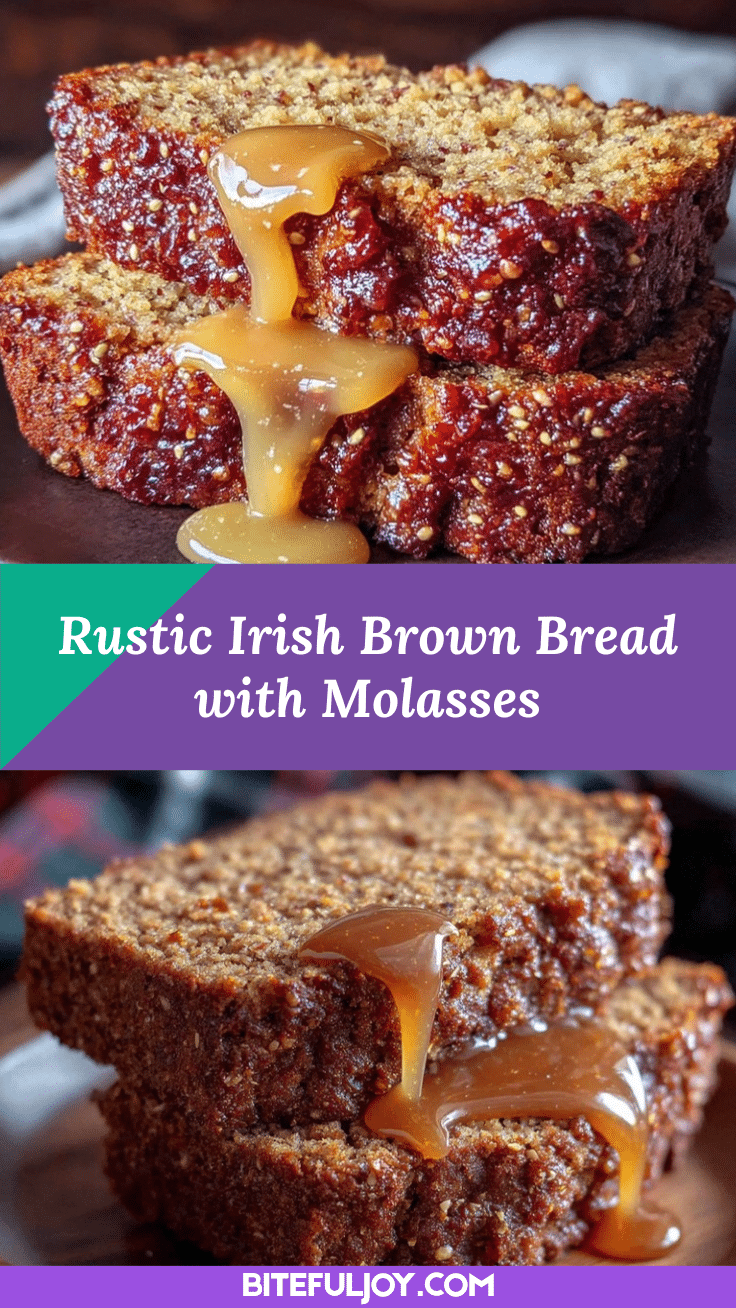
Rustic Irish Brown Bread

A dense yet tender homemade Irish brown bread with molasses, offering a rich, earthy flavor and a slightly sweet undertone. Perfect for cozy occasions and easy to make with simple pantry staples.
- Prep Time: 10 minutes
- Cook Time: 45-50 minutes
- Total Time: 55-60 minutes
- Yield: 12 slices 1x
- Category: Bread
- Cuisine: Irish
Ingredients
- 2 cups (240g) whole wheat flour
- 1 cup (120g) all-purpose flour
- 1 teaspoon baking soda
- 1 teaspoon salt
- 3 tablespoons molasses
- 1 ¾ cups (420ml) buttermilk
- 2 tablespoons unsalted butter, melted
Instructions
- Preheat your oven to 375°F (190°C). Position the rack in the center and grease your loaf pan or line it with parchment paper.
- In a large bowl, whisk together whole wheat flour, all-purpose flour, baking soda, and salt.
- In a separate medium bowl, combine buttermilk, molasses, and melted unsalted butter. Whisk until molasses is fully incorporated.
- Pour the wet ingredients into the dry ingredients. Using a wooden spoon or sturdy spatula, gently stir until just combined. Do not overmix.
- Transfer the dough into the prepared loaf pan. Smooth the top with a wet spatula or hands. Score a shallow cross about ½ inch deep on top.
- Bake for 45-50 minutes until the loaf sounds hollow when tapped and has a deep golden-brown crust. Tent with foil if browning too fast.
- Remove from oven and let cool in the pan for 10 minutes, then transfer to a cooling rack to cool completely before slicing.
Notes
Warm molasses slightly if very thick to blend smoothly. Do not overmix dough to avoid tough bread. Score the top to help bread rise evenly. Grease or line pan well to prevent sticking. Fresh baking soda is essential for proper rise.
Nutrition
- Serving Size: 1 slice
- Calories: 140
- Fat: 2
- Carbohydrates: 25
- Fiber: 2
- Protein: 3
Keywords: Irish brown bread, rustic bread, molasses bread, homemade bread, whole wheat bread, easy bread recipe