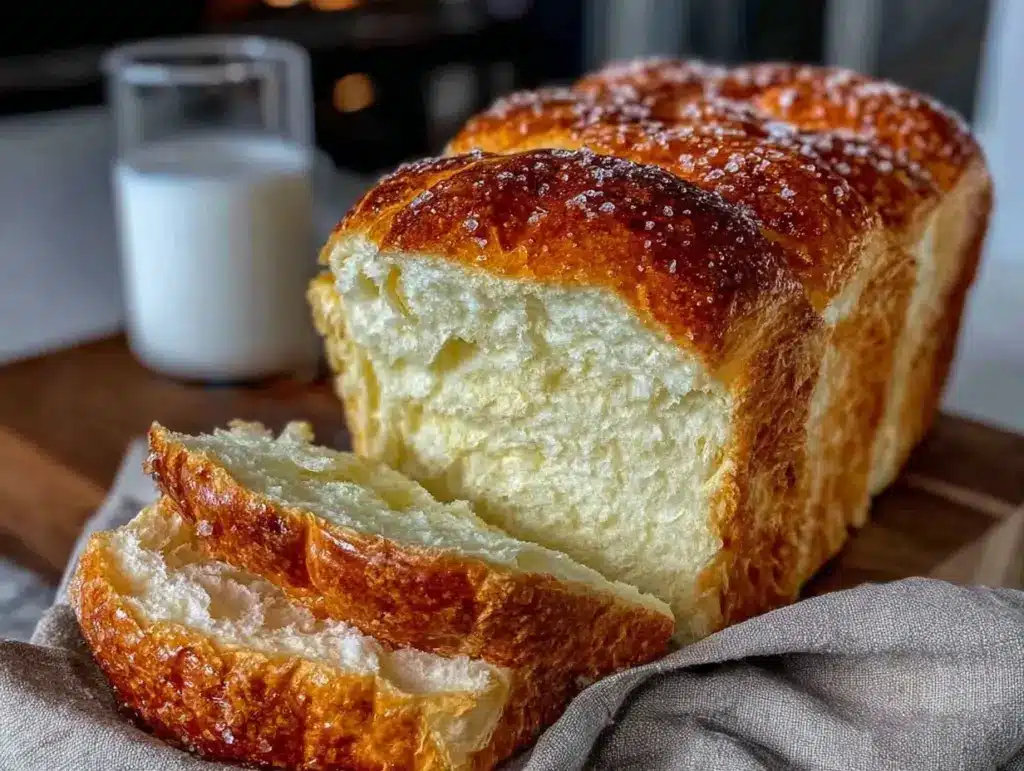
Let me set the scene: the aroma of freshly baked Japanese milk bread drifting through your kitchen is the kind that stops you in your tracks. The crust is golden and soft, while inside, each slice feels like a pillow—light, springy, and almost impossibly fluffy. Honestly, that first time I pulled a loaf of shokupan from my oven, I couldn’t help but marvel at how gorgeous it looked, almost too pretty to cut into (but let’s face it, I didn’t hold back for long).
The first taste was a revelation—delicate sweetness, a hint of dairy richness, and that cloud-like texture you only see in bakery windows. I remember pausing, grinning ear to ear because you know you’ve stumbled onto something special. My grandma used to call bread “the staff of life,” and this Japanese milk bread recipe would have been right at home on her table. When I was knee-high to a grasshopper, my mom would bring home fluffy white loaves from the bakery, and we’d fight over the softest part. This shokupan brings me straight back to those happy days.
Funny story: the first time I made Japanese milk bread, my kids kept sneaking slices off the cooling rack until I had to stand guard! Even my husband (who swears he’s not a bread guy) managed to polish off half the loaf before dinner. If you’ve ever wished your homemade bread could rival the pillowy perfection of Japanese bakeries, this is the recipe you’ll want to bookmark. Perfect for gifting, potlucks, or just a cozy weekend breakfast—trust me, it’s dangerously easy and pure, nostalgic comfort.
After plenty of “research” (read: baking way too many loaves in the name of perfection), I’m excited to share this Japanese milk bread recipe. It’s become a staple for family gatherings, and every batch feels like a warm hug straight from the oven. Whether you’re a bread newbie or a seasoned baker, you’re about to discover your new favorite loaf.
Why You’ll Love This Japanese Milk Bread Recipe
You know what? I’ve baked my way through dozens of bread recipes, but this easy fluffy shokupan stands out for so many reasons. It’s chef-tested, family-approved, and always gets rave reviews at our table. Here’s why you’ll fall head over heels for this recipe:
- Quick & Easy: Comes together in about two hours, so you don’t have to devote a whole day. Perfect for busy schedules or last-minute cravings.
- Simple Ingredients: No trips to specialty stores required. You probably have everything in your pantry already.
- Perfect for Any Occasion: Ideal for breakfast toast, sandwich making, or as a show-stopping addition to brunch spreads and holiday feasts.
- Crowd-Pleaser: Kids absolutely love it, and adults can’t get enough of the soft, milky crumb. It’s become our go-to for dinner parties and bake sales.
- Unbelievably Delicious: The texture is truly next-level—think airy, cloud-like, and tender with a subtle sweetness that keeps you coming back for more.
This Japanese milk bread isn’t just another white loaf. Thanks to the special tangzhong technique (a cooked flour-milk paste), you get a bread that stays moist and fluffy for days. It’s a game-changer—no more dry slices or dense crumbs. I blend full-fat milk with a touch of cream for richness, and the kneading technique creates that signature pull-apart softness.
What really makes this shokupan recipe different? It’s not just about the ingredients—it’s about the process, the patience, and the love poured into every step. Each slice feels like a small celebration. When you bake this bread, you’re not just making something to eat; you’re creating a memory. It’s comfort food, reimagined for today’s busy kitchens but with all the soul-soothing satisfaction of a classic bakery loaf.
If you’ve ever wanted to impress guests without breaking a sweat, or just want a homemade bread that turns a simple meal into something memorable, this Japanese milk bread recipe is it. Try it once, and I promise you’ll understand the hype!
What Ingredients You Will Need
This shokupan recipe uses just a handful of wholesome ingredients to deliver that signature fluffy, milky texture. Most of these are pantry staples, and you can easily swap a few if you need to. Let’s take a look at what goes into making the best Japanese milk bread:
- For the Tangzhong (starter):
- 2 tablespoons (18g) bread flour
- 1/4 cup (60ml) whole milk
- 1/4 cup (60ml) water
(Tangzhong is the secret weapon for ultra-fluffy bread—it keeps the loaf moist for days!)
- For the Dough:
- 2 1/2 cups (320g) bread flour (King Arthur or Bob’s Red Mill works great)
- 2 tablespoons (25g) granulated sugar (for a touch of sweetness)
- 1 teaspoon (5g) fine sea salt
- 2 teaspoons (7g) instant yeast (or active dry yeast, just bloom in milk first)
- 1/2 cup (120ml) whole milk, room temperature
- 1/4 cup (60ml) heavy cream (adds richness and that signature softness)
- 1 large egg, room temperature
- 2 tablespoons (30g) unsalted butter, softened
- Optional Add-Ins/Toppings:
- Milk wash (1 tablespoon milk for brushing the loaf before baking)
- Sesame seeds or poppy seeds (for a bakery finish—totally optional)
Ingredient notes:
- Milk & Cream: Whole milk is best for richness, but you can use 2% if needed. Heavy cream makes the crumb extra tender—if you’re out, just use more milk.
- Bread Flour: Bread flour is key for structure and chew. All-purpose can work in a pinch, but the bread won’t be quite as springy.
- Yeast: Instant yeast saves time, but active dry works fine if you let it bloom first in warm milk.
- Egg: Adds color and structure. For egg-free, swap with 2 tablespoons of plain yogurt or silken tofu.
- Butter: Unsalted is ideal, but lightly salted works if that’s what you’ve got—just reduce the added salt a bit.
- Substitutions: For dairy-free, use oat milk and vegan butter. For gluten-free, try a strong gluten-free bread flour blend (results may vary, but it’s worth a shot!).
Everything comes together to create a loaf that’s soft, subtly sweet, and just the right amount of milky. Feel free to experiment with flavors—sometimes I add a splash of vanilla or a sprinkle of cinnamon for a twist.
Equipment Needed
Let’s talk kitchen gear! You don’t need fancy tools for this Japanese milk bread recipe, but a few basics make the process smoother:
- Mixing Bowls: One medium and one large. Glass or stainless steel both work—my old Pyrex bowl has seen hundreds of loaves!
- Whisk: For the tangzhong paste and blending the dough.
- Stand Mixer (optional): With a dough hook. Hand kneading works fine, but a stand mixer saves your wrists (trust me, after baking several batches in a row, you’ll appreciate this).
- Loaf Pan: 8.5 x 4.5 inches (22 x 11.5 cm) is ideal. Nonstick pans are easiest for clean release, but any sturdy pan works. Grease it well to avoid sticking.
- Plastic Wrap or Clean Kitchen Towel: To cover the dough during proofing.
- Bench Scraper (optional): For dividing and shaping the dough. Not essential, but handy.
- Digital Kitchen Scale: For precise measurements (a must if you want consistent results—my cheap scale has lasted years!).
- Oven Thermometer (optional): Ovens can be sneaky with temps. This $10 gadget saved my bread from underbaking more than once.
If you’re budget-conscious, skip the stand mixer and scale—just knead by hand and measure carefully with cups and spoons. Keep your tools clean and dry, especially the loaf pan. I lightly oil mine after each use to keep it nonstick.
Preparation Method
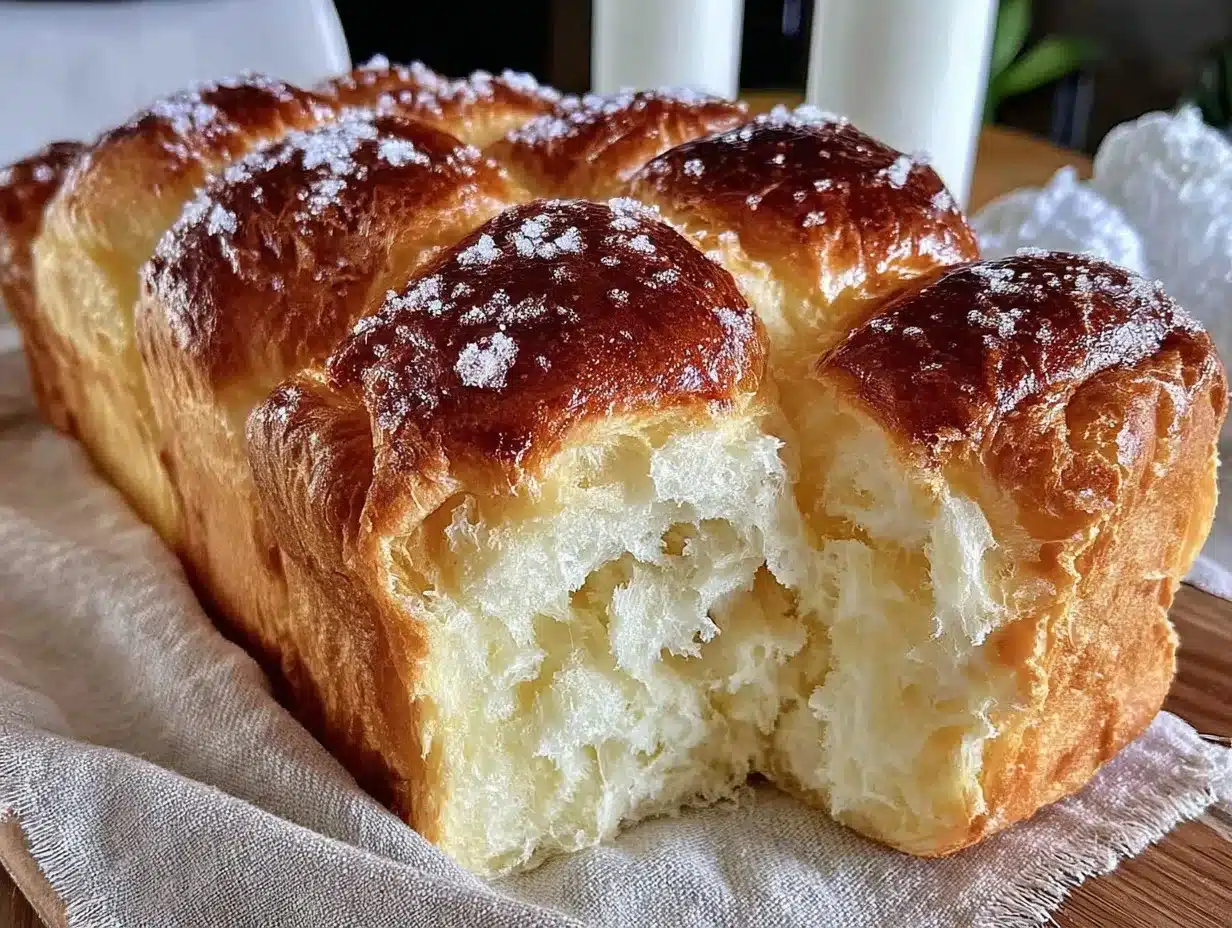
Ready to make the fluffiest Japanese milk bread ever? Let’s break it down step by step. I promise, it’s easier than it looks!
- Make the Tangzhong:
- Combine 2 tablespoons (18g) bread flour, 1/4 cup (60ml) milk, and 1/4 cup (60ml) water in a small saucepan.
- Whisk constantly over medium heat until it thickens into a smooth, pudding-like paste (about 3-5 minutes). It should look glossy and hold lines from the whisk.
- Remove from heat and let it cool to room temperature (about 10 minutes).
Tip: If you see lumps, whisk vigorously or strain through a sieve.
- Mix the Dough:
- In a large bowl (or stand mixer), combine 2 1/2 cups (320g) bread flour, 2 tablespoons (25g) sugar, 1 teaspoon (5g) salt, and 2 teaspoons (7g) instant yeast.
- Add the cooled tangzhong, 1/2 cup (120ml) milk, 1/4 cup (60ml) cream, and 1 large egg.
- Mix until a shaggy dough forms (about 1 minute).
For active dry yeast, dissolve in the milk first and let sit for 5 minutes before adding.
- Knead the Dough:
- Add 2 tablespoons (30g) softened butter and knead (stand mixer: medium speed 10-12 minutes, hand: 15-18 minutes). The dough should be smooth, elastic, and slightly tacky.
- Test: Stretch a small piece—if it forms a thin “windowpane” without tearing, it’s ready.
If the dough is too sticky, add 1 tablespoon (8g) flour at a time; if too dry, drizzle in more milk.
- First Rise (Proofing):
- Shape the dough into a ball and place in a greased bowl. Cover with plastic wrap or a towel.
- Let rise in a warm spot until doubled (about 60-90 minutes).
My go-to trick: Turn the oven to 200°F (90°C) for 2 minutes, then turn off and place the bowl inside (door closed).
- Shape the Dough:
- Turn the dough onto a lightly floured surface. Gently deflate and divide into 3 equal pieces (about 250g each).
- Roll each piece into a ball, then flatten and roll up tightly into logs.
- Place logs seam-side down in the loaf pan, side by side.
This classic shaping gives shokupan its signature pull-apart look.
- Second Rise (Proofing):
- Cover the pan and let rise until the dough crowns just above the rim (45-60 minutes).
- Preheat oven to 350°F (175°C) near the end of this rise.
If your kitchen is cool, it might take a little longer—be patient!
- Bake:
- Brush the top with milk for a shiny crust. Add sesame seeds if you like.
- Bake for 28-35 minutes until deep golden and the loaf sounds hollow when tapped.
- If browning too quickly, tent with foil halfway through.
Internal temp should hit 190°F (88°C) for perfect doneness.
- Cool & Slice:
- Remove from pan and cool on a wire rack for 30-45 minutes before slicing.
- Resist the urge to cut early—the crumb needs to set!
Enjoy warm or at room temp. Honestly, the first slice always disappears before it makes it to the table!
Cooking Tips & Techniques
Over the years, I’ve learned a thing or two (sometimes the hard way!) about making shokupan. Here are some tried-and-true tips to help you nail that cloud-like texture every time:
- Kneading Is Key: Don’t rush this step. Under-kneaded dough leads to dense bread. Look for the “windowpane” test—stretch a bit of dough, and it should be thin and translucent without tearing.
- Temperature Matters: Keep your liquids lukewarm (not hot) so you don’t kill the yeast. Cold milk slows things down, and hot milk can ruin your rise.
- Humidity Trick: If your kitchen is dry, place a cup of hot water in the oven during proofing. The extra moisture helps create a softer loaf.
- Weigh Your Ingredients: Measuring by weight gives consistent results. My first few attempts were hit or miss until I switched to grams.
- Shaping for Success: When rolling the dough into logs, keep the seams tight and smooth. Loose shaping can cause gaps or uneven slices.
- Check for Doneness: Tap the loaf—if it sounds hollow, it’s done. Or use a thermometer (190°F/88°C inside is perfect).
- Common Mistake—Overproofing: If you let the dough rise too long, it can collapse during baking. Keep an eye on the dough—when it’s just above the pan rim, it’s ready to bake.
- Butter Timing: Add butter after the dough comes together, not before. This keeps the crumb super soft.
- My Failures: Once, I forgot the salt—never again! Bland bread isn’t worth the effort. Double-check your ingredient list before mixing.
With these tips, your Japanese milk bread will be bakery-quality every time. Just remember: patience and gentle handling go a long way. If you ever get a dense loaf, don’t worry—toast it and make the best French toast ever!
Variations & Adaptations
One thing I love about Japanese milk bread is how versatile it is. Here are a few fun ways you can switch things up:
- Dairy-Free Version: Use oat milk and vegan butter. You’ll still get a lovely soft crumb with a hint of sweetness.
- Whole Wheat Shokupan: Substitute half the bread flour with whole wheat flour for a nuttier flavor and a little extra fiber. The loaf will be slightly less fluffy, but still delicious.
- Sweet Swirl: Before shaping, spread a thin layer of cinnamon sugar or matcha paste over the dough. Roll up for a beautiful swirl loaf.
- Mini Rolls: Divide dough into small balls and bake in a muffin tin for adorable pull-apart rolls—perfect for parties!
- Gluten-Free Adaptation: Use a strong gluten-free bread flour blend and add 1 teaspoon xanthan gum. Results will vary, but it’s worth trying if you’re gluten-sensitive.
- Allergen Substitutions: Egg-free? Swap the egg for 2 tablespoons plain yogurt or applesauce. Nut-free? Skip any nut toppings.
My favorite twist? Adding a handful of chopped dried fruit (like cranberries or raisins) for a breakfast loaf that’s just sweet enough. You can also make a matcha version by whisking 2 teaspoons matcha powder into the flour—green, earthy, and oh-so-pretty!
Serving & Storage Suggestions
Japanese milk bread is best enjoyed fresh, still slightly warm from the oven. I love serving thick slices toasted with butter and jam for breakfast. For lunch, it makes the most incredible sandwiches—think egg salad, tuna, or classic ham and cheese.
Pair it with a hot cup of green tea, coffee, or even a creamy latte. For dinner, serve alongside soups or salads. It’s also pretty amazing as a base for French toast or bread pudding!
Storage: Wrap the cooled loaf tightly in plastic wrap or place in a sealed bread box. It keeps at room temperature for 2-3 days. For longer storage, slice and freeze—just pop slices in a zip-top bag and freeze for up to a month. Thaw at room temp or toast straight from frozen.
Reheating: Toast slices lightly for a fresh-from-the-oven feel. You can also warm the whole loaf in the oven at 300°F (150°C) for 5-10 minutes. Flavors become richer and sweeter as the bread sits overnight (if it lasts that long!).
Nutritional Information & Benefits
Here’s a quick look at what you’re getting with each slice of shokupan (based on 12 servings per loaf):
- Calories: ~140
- Protein: 4g
- Fat: 3.5g
- Carbohydrates: 22g
- Sugar: 2g
- Fiber: 1g
Japanese milk bread is lower in fat than most enriched loaves, thanks to the tangzhong method. The milk and cream add calcium and a bit of protein. If you use whole wheat flour, you’ll boost the fiber. For gluten-free or dairy-free adaptations, nutrition will vary.
Potential allergens: Contains wheat, dairy, egg (see substitution notes for alternatives). I like that shokupan is gentle on the stomach—perfect for kids and anyone wanting soft, easy-to-digest bread. For me, it’s a wellness win: homemade means no weird preservatives and you control the ingredients!
Conclusion
If you’re searching for an easy, fluffy Japanese milk bread recipe that delivers bakery-level results every time, this shokupan is the answer. It’s soft, pillowy, and so simple to make—you’ll wonder why you ever settled for store-bought. Plus, you can adapt it for any diet or occasion.
I love this loaf because it brings people together. There’s something special about sharing homemade bread, especially when it’s this good. Don’t be afraid to add your own twist—make it yours!
Give it a try, and let me know how it goes. Share your creations in the comments, or tag me if you post on social (Pinterest loves this bread!). Happy baking, and may every slice feel like a warm hug!
Frequently Asked Questions
What makes Japanese milk bread so fluffy?
The secret is the tangzhong starter—a cooked flour and milk paste that retains moisture and creates a cloud-like texture in the loaf.
Can I make Japanese milk bread without a stand mixer?
Absolutely! Just knead by hand for about 15-18 minutes until the dough is smooth and stretchy.
How long does shokupan stay fresh?
It stays soft for about 2-3 days at room temperature. For longer storage, freeze slices and toast as needed.
Can I use all-purpose flour instead of bread flour?
You can, but the texture will be slightly less chewy and springy. Bread flour gives the best results.
Is this Japanese milk bread recipe dairy-free or gluten-free?
It can be! Use oat milk and vegan butter for dairy-free. For gluten-free, try a strong bread flour blend with xanthan gum; results may vary.
Pin This Recipe!
Japanese Milk Bread (Shokupan)

This easy Japanese milk bread recipe yields a soft, fluffy loaf with a delicate sweetness and pillowy texture. Thanks to the tangzhong method, it stays moist for days and rivals bakery-quality shokupan.
- Prep Time: 25 minutes
- Cook Time: 35 minutes
- Total Time: 2 hours 15 minutes
- Yield: 1 loaf (about 12 servings) 1x
- Category: Bread
- Cuisine: Japanese
Ingredients
- 2 tablespoons (18g) bread flour (for tangzhong)
- 1/4 cup (60ml) whole milk (for tangzhong)
- 1/4 cup (60ml) water (for tangzhong)
- 2 1/2 cups (320g) bread flour
- 2 tablespoons (25g) granulated sugar
- 1 teaspoon (5g) fine sea salt
- 2 teaspoons (7g) instant yeast (or active dry yeast, bloomed in milk)
- 1/2 cup (120ml) whole milk, room temperature
- 1/4 cup (60ml) heavy cream, room temperature
- 1 large egg, room temperature
- 2 tablespoons (30g) unsalted butter, softened
- Milk wash: 1 tablespoon milk (for brushing loaf before baking, optional)
- Sesame seeds or poppy seeds (optional, for topping)
Instructions
- Make the Tangzhong: Combine 2 tablespoons bread flour, 1/4 cup milk, and 1/4 cup water in a small saucepan. Whisk constantly over medium heat until thickened and smooth (about 3-5 minutes). Remove from heat and let cool to room temperature (about 10 minutes).
- Mix the Dough: In a large bowl or stand mixer, combine 2 1/2 cups bread flour, 2 tablespoons sugar, 1 teaspoon salt, and 2 teaspoons yeast. Add cooled tangzhong, 1/2 cup milk, 1/4 cup cream, and 1 large egg. Mix until a shaggy dough forms (about 1 minute).
- Knead the Dough: Add 2 tablespoons softened butter and knead until smooth and elastic (stand mixer: 10-12 minutes on medium speed; by hand: 15-18 minutes). Dough should be slightly tacky and pass the windowpane test.
- First Rise: Shape dough into a ball and place in a greased bowl. Cover with plastic wrap or towel and let rise in a warm spot until doubled (about 60-90 minutes).
- Shape the Dough: Turn dough onto a lightly floured surface, gently deflate, and divide into 3 equal pieces. Roll each into a ball, flatten, and roll up tightly into logs. Place logs seam-side down in a greased loaf pan.
- Second Rise: Cover pan and let dough rise until it crowns just above the rim (45-60 minutes). Preheat oven to 350°F near the end of this rise.
- Bake: Brush top with milk and add sesame seeds if desired. Bake for 28-35 minutes until deep golden and loaf sounds hollow when tapped. Tent with foil if browning too quickly. Internal temperature should reach 190°F.
- Cool & Slice: Remove loaf from pan and cool on a wire rack for 30-45 minutes before slicing. Enjoy warm or at room temperature.
Notes
For best results, use bread flour and weigh ingredients. Kneading is crucial for a fluffy texture; use the windowpane test to check dough readiness. If using active dry yeast, bloom in warm milk first. For dairy-free, substitute oat milk and vegan butter. For gluten-free, use a strong bread flour blend and add xanthan gum. Bread stays fresh for 2-3 days at room temperature or can be frozen for up to a month. Variations include adding cinnamon sugar, matcha, or dried fruit for flavor twists.
Nutrition
- Serving Size: 1 slice (1/12 of loa
- Calories: 140
- Sugar: 2
- Sodium: 160
- Fat: 3.5
- Saturated Fat: 2
- Carbohydrates: 22
- Fiber: 1
- Protein: 4
Keywords: Japanese milk bread, shokupan, fluffy bread, tangzhong, easy bread recipe, bakery bread, homemade bread, soft bread, sandwich bread